Using vinegar for mold on clothes is one of the most common DIY laundry solutions you’ll find online. If you’ve ever pulled a shirt from your closet and noticed suspicious spots—or forgotten a damp towel in your laundry basket only to discover that unmistakable musty smell—you may have wondered whether white vinegar can actually help.
Mold and mildew on clothing can happen more easily than you might think, especially when fabrics stay damp for too long or are stored in humid, poorly ventilated spaces.
But does vinegar actually remove mold from clothes?
The answer is a little more complicated than a simple yes or no.
Why Does Mold Grow on Clothes?
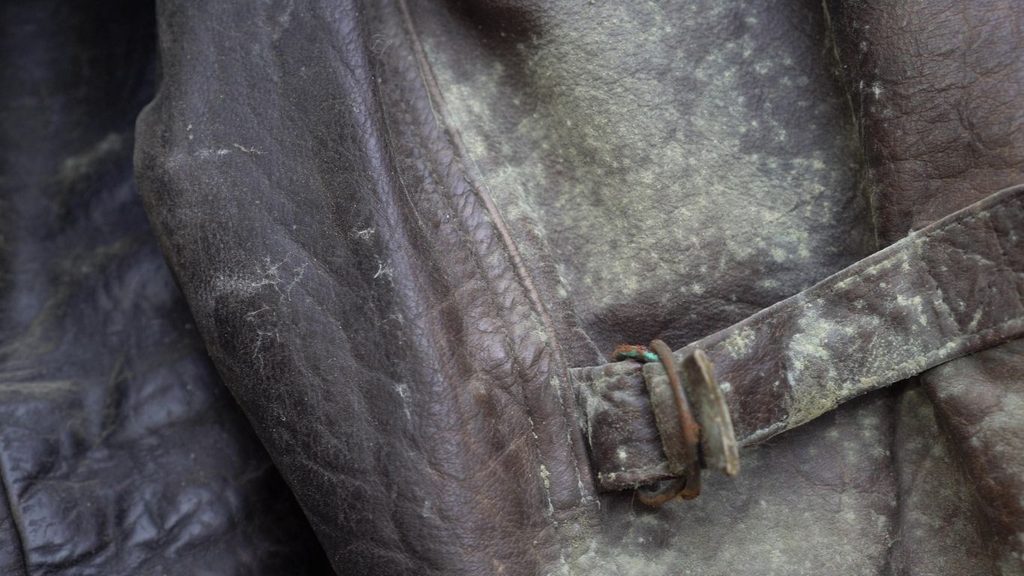
Mold needs moisture to grow. Clothing that remains damp, sits in a wet laundry pile, or is stored in a humid environment can create conditions where mold and mildew develop.
According to the U.S. Environmental Protection Agency (EPA), molds can grow on organic materials, including clothing and leather, when moisture is present.
That means the forgotten gym clothes at the bottom of your hamper, damp towels left in a bag, or clothes stored before they’re completely dry may be particularly vulnerable.
You might notice:
- Black, green, gray, or white spots
- A persistent musty or earthy odor
- Discoloration or staining
- A smell that returns even after a regular wash
The most important part of preventing the problem from returning is controlling moisture.
If you’re also dealing with mildew stains or persistent odors, check out our guide on how to remove mildew from clothes for more laundry-care tips.
Can Vinegar Remove Mold From Clothes?
White vinegar is commonly recommended as a household laundry solution, particularly for odors and residue. Because vinegar contains acetic acid, it may help with certain types of microbial growth and can sometimes help loosen stains or reduce musty odors.
However, vinegar should not be treated as a guaranteed way to kill every type of mold or completely remove an established mold problem from fabric.
Different molds behave differently, and clothing is porous. Once mold penetrates deeply into fibers, removing all of the growth and staining can be difficult.
So while white vinegar may be useful as part of the cleaning process for some washable garments, the condition of the clothing, fabric type, severity of the mold, and garment care instructions all matter.
How to Treat Moldy Washable Clothes
Before treating a garment, always check its care label.
If the item is washable, separate it from unaffected laundry rather than mixing visibly moldy clothing with the rest of your load.
For minor mildew or musty odors, laundering the garment thoroughly according to its care instructions may help.
If you choose to use white vinegar, make sure the fabric can tolerate it and follow the instructions for your washing machine. Avoid experimenting with delicate, expensive, vintage, or specialty garments.
Most importantly, dry the clothing completely after washing.
Moisture is the underlying issue that allows mold to grow. The EPA recommends drying wet materials promptly and notes that items that remain wet can develop mold.
Vinegar vs. Bleach: Which Is Better?
Bleach and vinegar aren’t interchangeable.
Chlorine bleach can remove certain mold and mildew stains from some bleach-safe fabrics, particularly whites. However, it can also discolor or damage many fabrics.
Always check the garment’s care label before using bleach.
And here’s an important safety rule:
Never mix vinegar and chlorine bleach.
Combining acidic products such as vinegar with chlorine bleach can create dangerous chlorine gas. If you’re using a laundry treatment, use only one appropriate product at a time and follow its label instructions.
What About Delicate or Expensive Clothes?
This is where DIY mold-removal experiments can become risky.
Garments made from wool, silk, leather, specialty fabrics, or items labeled “dry clean only” should not automatically be treated with vinegar, bleach, or other household cleaning solutions.
The same applies to expensive or sentimental pieces.
Mold can sometimes leave permanent discoloration or damage behind even after cleaning. If you’re unsure how a garment should be treated, professional cleaning may be the safer option.
How to Prevent Mold and Mildew on Clothes
Preventing mold is usually much easier than trying to remove it later.
A few habits can make a big difference:
Don’t leave wet clothes sitting in the washer.
Move laundry to the dryer or drying area as soon as possible.
Let sweaty clothes and towels dry before tossing them into a hamper.
A dark pile of damp fabric can hold moisture for hours.
Make sure clothes are completely dry before storing them.
Even slightly damp clothing can become problematic when packed into a closet or drawer.
Improve ventilation in humid spaces.
Closets, bathrooms, basements, and laundry rooms can retain moisture.
Keep indoor humidity under control.
The EPA recommends keeping indoor humidity below 60% and ideally between 30% and 50% when possible.
Address leaks and water damage quickly.
If clothing gets wet because of a leak, flood, or other water problem, clean and dry it as soon as possible.
When Is It Time for Professional Laundry Care?
A slightly musty T-shirt and a heavily affected delicate garment are two very different laundry problems.
Consider professional care when:
- You’re unsure about the fabric
- The garment has special care instructions
- The item is valuable or sentimental
- Mold staining remains after washing
- You don’t want to risk damaging the garment with DIY treatments
- You have a large amount of laundry that needs proper washing and drying
Professional laundry care can also help make sure clothing is thoroughly washed and dried—two important steps when dealing with moisture-related laundry problems.
Need Help With Your Laundry in NYC?
Dealing with piles of damp, musty, or simply overdue laundry?
Clean Avenue makes laundry day easier with convenient pickup and delivery throughout our Manhattan service area.
From everyday Wash & Fold to professional garment care, we’ll handle the washing, drying, and folding so you don’t have to spend your day dealing with laundry.
Schedule your Clean Avenue laundry pickup and get fresh, clean clothes delivered back to your door.
🧺 Laundry made easy.
Skip the stress of laundry day — Clean Avenue Laundry picks up, cleans, folds, and delivers your clothes right to your door anywhere in NYC.