

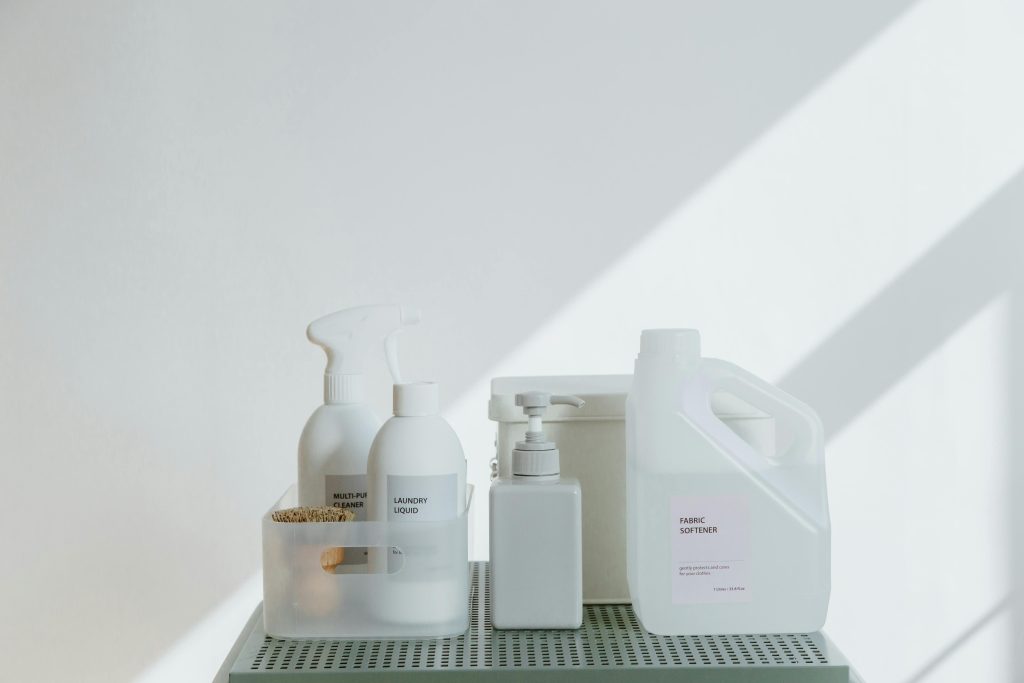
When we think about laundry today, fabric softener and bleach feel like everyday household staples. You toss them into the wash, press a few buttons, and let technology do the rest. But the history behind these two products is far more fascinating than most people realize. From humble beginnings using natural ingredients to the highly advanced formulas we have today, the evolution of bleach and fabric softener tells an incredible story of chemistry, convenience, and changing lifestyles.
Let’s dive into their surprising origins.
The Early Days: When Soft Fabrics Weren’t a Thing
Before the invention of modern fabric softeners, laundry was harsh—literally. Clothing was scrubbed against rocks, boiled in large pots, hung in the sun, and beaten with paddles. Fabrics became stiff, scratchy, and rough on the skin. Back then, keeping clothes soft wasn’t a priority. Cleanliness and durability mattered more, especially since most people owned only a few garments.
But as cotton became more affordable in the 1800s, comfort suddenly became important. Softer fabrics became a sign of quality, and people wanted clothes that felt good to wear.
The Birth of Fabric Softener: Invented Because of Soldiers
The first known fabric softeners appeared in the early 1900s—not because of household laundry, but because of the military.
Textile manufacturers had a problem: cotton uniforms were coming out of dyeing and treatment processes feeling stiff as cardboard. Soldiers were complaining, and factories needed a solution.
Early fabric softeners were made from a mixture of water, soap, and natural oils like corn or olive oil. These formulas were massaged into the fabric to restore softness.
However, these softeners weren’t sold for home use yet. They were greasy, heavy, and smelled… interesting.
Mid-1900s: The Rise of Commercial Fabric Softener
Around the 1950s, as washing machines became common in American households, companies saw an opportunity. Consumers wanted clothes that smelled fresh and felt soft after machine washing.
This led to the creation of the first commercial fabric softeners made from quaternary ammonium compounds, which were more effective, lighter, and easier to rinse out.
Soon after came:
- Liquid softeners
- Dryer sheets (1970s—game-changer!)
- Scented formulas
- Hypoallergenic softeners
- Concentrated softeners
Today, fabric softeners include fragrances, anti-static agents, and even fiber conditioners that help clothes last longer.
Bleach: One of the Oldest Cleaning Agents Ever
If fabric softener is relatively “new,” bleach is ancient.
Ancient Bleaching Practices
As early as 3,000 years ago, civilizations like the Egyptians and Romans used:
- Sunlight
- Lemon juice
- White vinegar
- Herbs
- Fermented urine (yes—it contained ammonia!)
Clothes were soaked in natural solutions and laid out under the sun, where UV rays helped whiten them.
The Discovery That Changed Everything: Chlorine Bleach
In 1785, French scientist Claude Louis Berthollet discovered that chlorine gas could whiten fabrics. This was revolutionary—suddenly, whitening clothes didn’t rely on sun exposure or days of soaking.
By the 1800s, chlorine bleaching became standard in textile factories and eventually made its way into households.
The First Bottled Bleach
In 1913, a company called Clorox introduced the first household liquid bleach. It became popular for:
- Whitening clothes
- Sanitizing laundry
- Cleaning kitchens and bathrooms
By the mid-1900s, bleach was a symbol of “deep cleaning.”
For a more detailed look at the chemical nature and history of bleach, you can refer to Britannica’s article on bleach, which explains how chlorine-based solutions revolutionized laundry and cleaning practices.
Modern Bleach: Stronger, Safer & Smarter
Today’s bleaches have evolved into two main types:
1. Chlorine Bleach (Sodium Hypochlorite)
- Powerful whitening
- Best for whites
- Great disinfectant
2. Oxygen Bleach (Color-Safe Bleach)
- Gentle on colors
- Ideal for delicates
- Uses hydrogen peroxide instead of chlorine
Oxygen bleach became popular for people who want bright clothes without the risk of fading.
Fabric Softener vs. Bleach: A Match Made in Laundry History
While bleach focuses on cleaning and whitening, fabric softener focuses on comfort and scent. They serve two very different purposes—but both shaped the modern laundry experience we know today.
Many households can’t imagine doing laundry without:
- Bleach for removing tough stains
- Softener for making clothes smell fresh and feel cozy
Together, they transformed laundry from a labor-intensive task into something easier, faster, and more enjoyable.
Final Thoughts
From ancient cleaning rituals to scientific breakthroughs, the history of fabric softener and bleach shows how far we’ve come. These products evolved because people wanted something better—whiter clothes, softer fabrics, and fresher scents.
And today, thanks to modern technology and improved formulas, we get all of that with just a single wash cycle.
🧺 Laundry made easy.
Skip the stress of laundry day — Clean Avenue Laundry picks up, cleans, folds, and delivers your clothes right to your door anywhere in NYC.