How to Choose the Best Home Cleaning Service in NYC (2026 Guide)
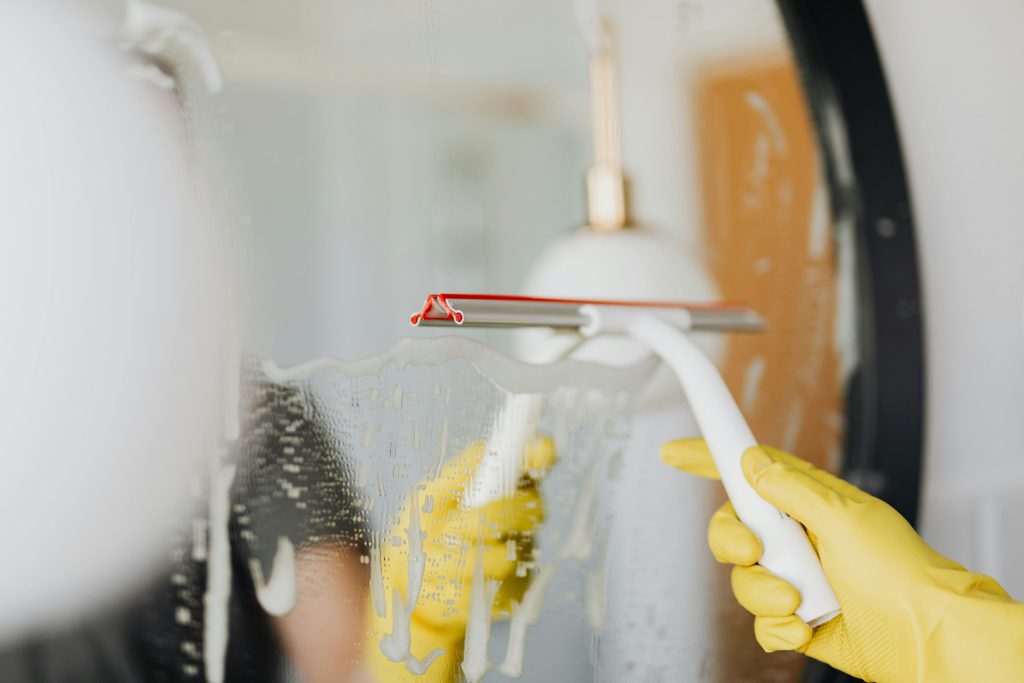
Looking for the best home cleaning service NYC has to offer? Clean Avenue Laundry provides professional, reliable, and affordable home cleaning services across Manhattan, Brooklyn, and Queens. Whether you need a one-time deep clean or recurring service, our experienced team is ready to help.
👉 Book your cleaning today and enjoy a spotless home without the stress.
Finding a reliable home cleaning service NYC residents can trust is not always easy. With so many options available, it’s important to know what to look for before hiring a company. In this complete guide, we’ll show you exactly how to choose the right service and what makes a cleaning company stand out in New York.
Why Hiring a Home Cleaning Service NYC Is Worth It
Hiring a professional home cleaning service NYC homeowners rely on can save you time, reduce stress, and ensure a consistently clean living space. Instead of spending hours cleaning, you can focus on work, family, or relaxing while professionals handle the job.
Professional cleaners also use high-quality products and proven techniques that deliver better results than regular DIY cleaning.
Our Home Cleaning Services in NYC
- Standard home cleaning
- Deep cleaning services
- Move-in and move-out cleaning
- Recurring weekly or bi-weekly cleaning
- Apartment and condo cleaning
How to Choose the Best Home Cleaning Service NYC
1. Check Reviews and Reputation
Start by checking online reviews. A reliable home cleaning service NYC company should have strong ratings and positive feedback. Look for consistency in customer experiences, especially regarding punctuality and quality.
2. Compare Pricing and Transparency
Always choose a company that offers clear and transparent pricing. The best home cleaning service NYC providers will explain exactly what’s included and avoid hidden fees.
3. Make Sure the Company Is Licensed and Insured
Working with a licensed and insured home cleaning service NYC protects you in case of accidents or damages. Professional companies will always have proper coverage.
4. Services Offered
Different homes require different cleaning services. Make sure the company offers flexible options such as deep cleaning or recurring service based on your needs.
5. Availability and Flexibility
NYC is fast-paced, so flexibility matters. A top home cleaning service NYC provider should offer convenient scheduling and reliable arrival times.
6. Customer Support and Communication
Good communication is essential. From booking to follow-up, the company should be easy to contact and responsive.
Home Cleaning Services Across New York City
We proudly provide home cleaning service NYC customers trust across Manhattan, Brooklyn, Queens, and nearby areas. No matter where you are located, our team is ready to deliver high-quality cleaning services.
Looking for simple ways to keep your home clean between visits? Check out our guide on home cleaning hacks to maintain a spotless space every day.
How Much Does a Home Cleaning Service NYC Cost?
The cost of a home cleaning service NYC varies depending on the size of your home, the type of service, and frequency. On average, prices range from $100 to $250 per visit. Deep cleaning services may cost more due to the additional time and detail involved.
Benefits of Choosing a Professional Home Cleaning Service NYC
- Saves time and effort
- Professional-quality cleaning results
- Flexible scheduling options
- Healthier and cleaner living environment
According to the Environmental Protection Agency (EPA), maintaining a clean home can significantly improve indoor air quality and overall health. This is another reason why hiring a professional home cleaning service NYC can make a big difference.
Frequently Asked Questions
How often should I schedule a home cleaning service NYC?
Most customers choose weekly or bi-weekly cleaning for the best results, but it depends on your lifestyle and needs.
Do I need to be home during the cleaning?
No, many customers provide access instructions so cleaning can be completed while they are away.
What should I expect from a professional cleaning service?
You can expect thorough cleaning, attention to detail, and reliable service from a trusted home cleaning service NYC provider.
Final Thoughts
Choosing the right home cleaning service NYC doesn’t have to be complicated. By focusing on reputation, pricing, and reliability, you can find a service that fits your needs perfectly.
If you’re ready to enjoy a cleaner home without the hassle, consider working with a trusted professional cleaning service in NYC today.
Book your next home cleaning today .
Experience the comfort of a spotless home — without the stress.
How Often Should You Wash Your Gym Clothes? The Truth About Rewearing Activewear

We’ve all been there — you just finished a great workout, tossed your gym clothes in your bag, and thought, “Maybe I can wear this set again tomorrow.”
But should you?
The truth is, gym clothes are not like your regular t-shirts or jeans. They’re designed to absorb sweat and stretch with movement, but that also means they hold onto bacteria and odor more than most fabrics. Let’s break down how often you should wash your gym clothes — and why skipping laundry day might be a bad idea for your skin, hygiene, and even your clothes.
🧘♀️ Why Gym Clothes Need Extra Care
When you work out, your body sweats — a lot. That sweat gets trapped in synthetic fabrics (like polyester or spandex) commonly used in activewear. Combine that with body oils and dead skin cells, and you’ve got the perfect breeding ground for bacteria and odor.
Even if your clothes look clean, they might be harboring invisible buildup that can cause skin irritation, acne, or that familiar “gym smell” that never seems to go away.
Experts recommend washing gym clothes after every workout, especially tight-fitting items worn directly on the skin. For more tips on proper fabric care, check out our guide on how to keep towels and other fabrics soft and fresh.
😷 Health Risks of Rewearing Dirty Gym Clothes
Rewearing unwashed gym clothes isn’t just a little gross — it can also pose risks to your health. According to Healthline experts, bacteria and fungi can linger in sweaty fabrics and lead to several issues such as:
- Body acne and rashes: Sweat, dirt, and bacteria can clog your pores, causing bacne (back acne) and skin irritation.
- Fungal infections: Yeast and fungi thrive in warm, damp fabrics — leading to conditions like ringworm or athlete’s foot.
- Body odor buildup: The longer you leave sweat and bacteria in your clothes, the harder it is to remove the smell later on.
- Bacterial growth: Harmful bacteria like staphylococcus can linger in sweaty fabrics and cause infections if it enters small cuts or scratches.
If you notice your gym clothes still smell even after washing, that’s a sign of bacteria buildup — time for a deep clean or consider our professional laundry services for activewear.
🏋️♂️ When You Can Rewear Gym Clothes
There are a few exceptions — but only in certain situations:
- Light workouts or yoga: If you did a quick, low-sweat session or just stretched, you can wear it one more time before washing.
- Outer layers: Hoodies or jackets worn over your gym clothes don’t absorb as much sweat, so they can be washed after 2–3 uses.
- Underwear and socks: No exceptions — these should be washed after every use.
But in general, if your gym clothes feel damp, smell musty, or lost their “fresh” feeling — it’s time for laundry.
🧼 How to Properly Wash Gym Clothes
If you want your activewear to last longer and stay odor-free, here’s the best way to wash them:
- Turn them inside out – Most of the sweat and bacteria are on the inside.
- Use cold water – Hot water can break down elastic fibers.
- Avoid fabric softener – It can clog the fabric’s pores and trap odor.
- Air dry when possible – Heat can damage stretch fabrics over time.
- Use a gentle detergent – Look for one designed for sportswear or odor removal.
💡 Pro tip: Soak them in a vinegar-water solution for 15–20 minutes before washing to neutralize sweat odor naturally. Learn more in our eco-friendly laundry guide.
🚴♀️ What If You Don’t Have Time to Wash Right Away?
We get it — sometimes life gets busy. If you can’t wash your gym clothes immediately, don’t leave them crumpled up in your gym bag. Instead:
- Hang them to dry to prevent bacterial growth.
- Store them separately from your clean clothes.
- Schedule a laundry pickup with Clean Avenue so we can take care of it for you!
🧺 Keep It Fresh with Clean Avenue Laundry
At Clean Avenue Laundry, we understand that active New Yorkers are always on the go. Whether you’re a fitness enthusiast, a spin class regular, or just love your daily walks, your gym clothes deserve professional care too.
Our pickup and delivery laundry service makes it easy to keep your workout gear clean, fresh, and ready for your next session — without lifting a finger.
👉 Book your laundry pickup today at CleanAvenueNYC.com and enjoy fresh, odor-free activewear for every workout.
Let us handle the sweat, odor, and hassle for you!.
Skip the stress of laundry day — Clean Avenue Laundry picks up, cleans, folds, and delivers your clothes right to your door anywhere in NYC.
How Often Should You Wash Your Pillow (and How to Do It Properly)
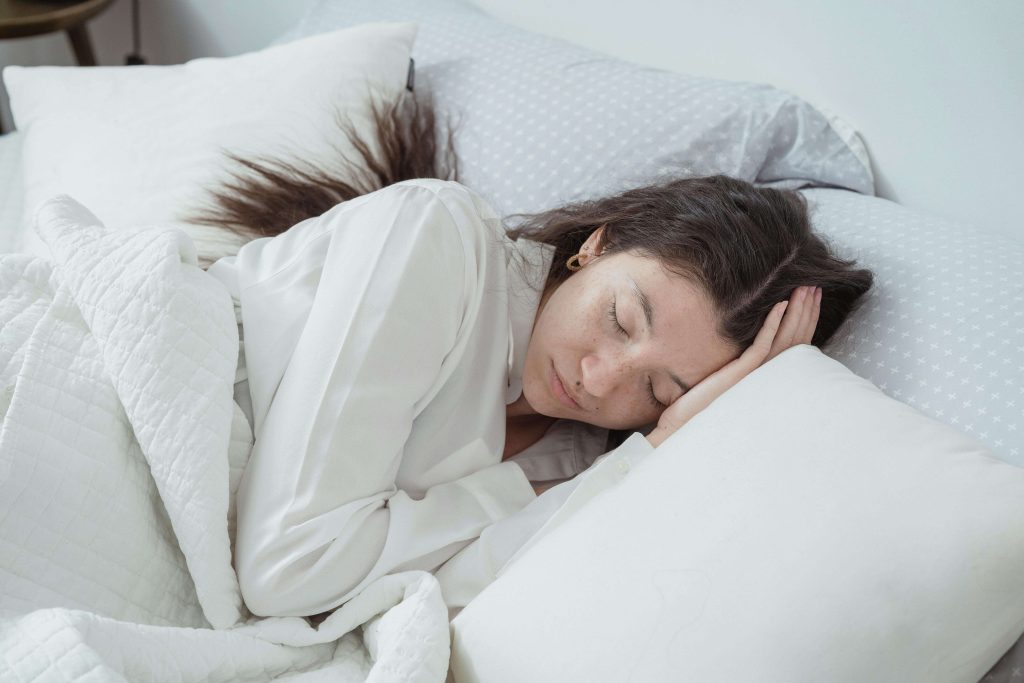
When was the last time you washed your pillow — not just the pillowcase, but the pillow itself?
If you can’t remember, you’re not alone. Most people wash their pillowcases every week but forget that the actual pillow also needs cleaning. Over time, pillows collect dust mites, sweat, oils, and bacteria that can cause odors and even skin irritation.
Keeping your pillow clean isn’t just about hygiene — it also helps you sleep better and keeps your pillow lasting longer. So, how often should you wash your pillow, and what’s the right way to do it?
How Often Should You Wash Your Pillow?
Experts recommend washing your pillows every 3 to 6 months. This helps remove buildup from body oils, drool, and dust that accumulate over time.
However, the frequency can vary depending on your situation:
- 💤 If you have allergies: Wash your pillow every 1–2 months to prevent dust mite buildup.
- 🌡️ In hot or humid climates: Wash more often to keep bacteria and odors away.
- 🏨 For guest room pillows: Every 6 months is enough if they’re not used often.
And don’t forget — while your pillow can go months between washes, your pillowcases should be washed weekly since they’re in direct contact with your skin and hair. You can learn more about caring for bedding in our guide on washing bedsheets, towels, and blankets.
Signs It’s Time to Wash or Replace Your Pillow
Not sure if it’s time for a wash? Watch out for these signs:
- Yellow stains or musty smell
- Your pillow feels flat or lumpy
- You wake up sneezing or with itchy eyes
- It doesn’t spring back when folded in half
If your pillow fails the “fold test” (it stays folded instead of bouncing back), it’s a sign that it may be time to replace it altogether.
How to Wash Different Types of Pillows
Before you start cleaning, always check the care label — some pillows can be machine washed, while others need special care.
1. Down or Feather Pillows
- Wash two at a time to balance the load.
- Use a gentle detergent and cold or warm water on the delicate cycle.
- Rinse twice to remove all soap.
- Tumble dry on low with dryer balls or clean tennis balls to restore fluffiness.
2. Memory Foam Pillows
- Never put them in the washing machine.
- Spot clean with mild detergent and water.
- Let them air dry completely before use to prevent mold growth.
3. Synthetic (Polyester) Pillows
- Machine washable on warm or cold.
- Use a mild detergent and rinse thoroughly.
- Dry completely on low heat — moisture can cause mildew.
Extra Pillow Care Tips
Keep your pillows fresh longer with these simple steps:
- Use a pillow protector under your pillowcase to block sweat and dust.
- Air out your pillow in sunlight once a month to kill bacteria naturally.
- Replace pillows every 1–2 years for best comfort and hygiene.
Related Reading: Wash and Fold Services in NYC
If you’d rather leave the heavy laundry to the pros, our Wash and Fold Services in NYC might be just what you need.
We handle everything — from clothes and bedding to bulky items like pillows — so you can save time and enjoy a fresh, clean home without the hassle.
For more tips on keeping your bedding fresh, check out our guides on how often to wash your blankets and keeping towels fluffy and soft.
Professional Pillow Cleaning Made Easy
If you’re unsure how to wash your pillow safely — or just don’t have time — Clean Avenue can help. We handle bulky and delicate laundry items with expert care, from comforters and duvets to pillows.
If you want professional help not just for pillows but also for your sheets, towels, and blankets, see our Wash & Fold Services in NYC guide.
🧺 Schedule a pickup and let us handle the cleaning for you — so you can rest easy on a fresh, fluffy pillow every night.
👉 Book your laundry pickup now at CleanAvenueNYC.com.
🧺 Laundry made easy.
Skip the stress of laundry day — Clean Avenue Laundry picks up, cleans, folds, and delivers your clothes right to your door anywhere in NYC.
The Best Way to Wash Bedsheets, Towels, and Blankets
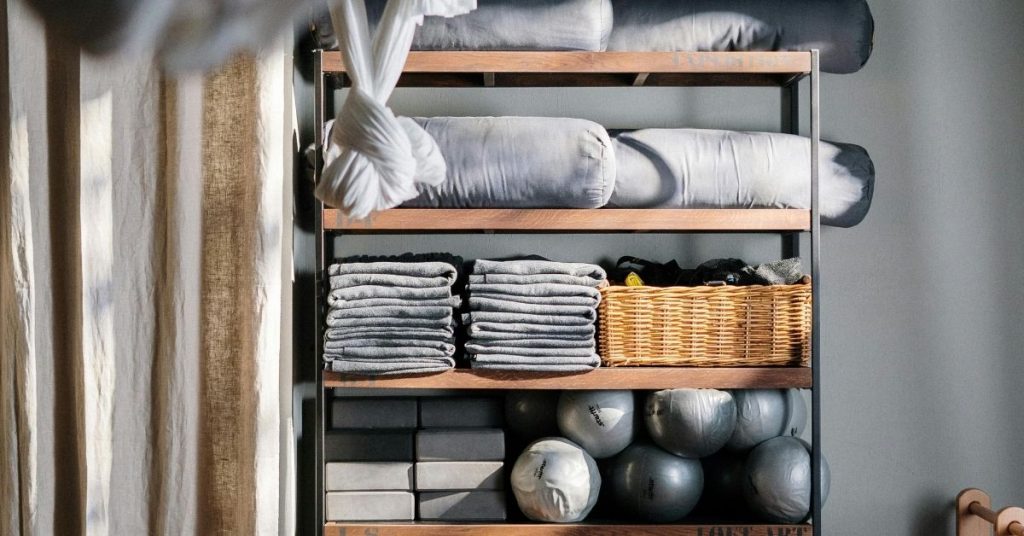
When it comes to laundry, some of the trickiest items to wash are the ones we use every day — bedsheets, towels, and blankets. They’re bulky, heavy when wet, and require the right washing method to stay soft, clean, and long-lasting.
If you live in New York City, you probably know the struggle: small washing machines, limited space, and not enough time. That’s why we’ve put together this simple guide on how to wash bedsheets, towels, and blankets properly. These tips are part of our broader Best Laundry Practices & Tips to help you keep all your laundry fresh, clean, and well cared for.
How Often Should You Wash Them?
Bedsheets – Every 1–2 weeks. Even if they look clean, sweat, skin oils, and dust mites can build up quickly.
Towels – Every 3–4 uses. Towels trap moisture and can harbor bacteria and odor if not washed regularly.
Blankets – Every 2–3 months, or more often if used daily. Heavier blankets can accumulate dust and sweat without you noticing.
Keeping a regular washing schedule helps prevent odor and keeps fabrics fresh and hygienic.
How to Wash Bedsheets Properly
- Sort by color and fabric type. Wash whites separately from colors to avoid discoloration.
- Use gentle detergent. A mild detergent keeps your sheets soft and prevents fabric damage.
- Avoid overloading the washer. Sheets need enough room to move around for a thorough clean.
- Use warm water. Hot water can damage fibers over time, especially on delicate materials like cotton sateen.
- Dry completely. Remove sheets promptly after drying to prevent wrinkles and mildew.
🧺 Pro tip: For silk or high-thread-count sheets, consider professional cleaning for better results.
According to the Sleep Foundation, washing your sheets at least once per week helps maintain freshness, reduce allergens, and promote better sleep quality.
🧖♀️ How to Wash Towels
Towels need special care to stay fluffy and absorbent:
- Don’t use too much fabric softener. It can coat the fibers, reducing absorbency.
- Wash in warm water. It helps remove oil and buildup without damaging the fabric.
- Add vinegar occasionally. A half cup of white vinegar during the rinse cycle removes detergent residue and odors.
- Dry completely. Damp towels can develop a musty smell, so make sure they’re fully dry before folding.
🧺 Quick fix: If your towels feel stiff or smell musty, you may want to deep clean them. You can also check out our full guide on how to keep your towels fluffy and fresh for more towel-specific tips.
How to Wash Blankets
Blankets come in different materials, so always check the care label first.
- Machine-washable blankets: Use cold or warm water and a gentle cycle. Avoid bleach or fabric softener.
- Heavy or oversized blankets: These may not fit in a regular washer — best to bring them to a professional laundry service.
- Dry completely. Use low heat or air dry. Damp spots can lead to mildew or odor.
🧺 Pro tip: For weighted blankets, check the label — some covers can be machine-washed separately, but the inner blanket might need professional care.
If your blankets ever develop a musty smell, it could be a sign of mildew. Learn how to fix and prevent this in our guide on removing mildew from clothes and keeping it from coming back.
Washing Tips for Allergy Prevention
If you or anyone in your household suffers from allergies or sensitive skin, proper washing can make a big difference. Dust mites and allergens tend to accumulate on bedsheets, blankets, and towels over time — especially in humid environments.
To help reduce these triggers:
- Wash your sheets and pillowcases at least once a week.
- Use hot water (130°F or 54°C) to kill dust mites and bacteria effectively.
- Dry items completely before storing to prevent mold and mildew.
- Consider using a hypoallergenic detergent for extra protection.
According to the Mayo Clinic, washing your bedding in water at 130°F (54°C) or higher is an effective way to eliminate dust mites and common allergens that may cause sneezing or irritation.
Let Clean Avenue Handle the Heavy Loads
Washing large items like sheets, towels, and blankets can be time-consuming — especially in NYC apartments with limited washer space. That’s where Clean Avenue Laundry comes in.
We offer pickup and delivery laundry service across New York City, so you can enjoy fresh, professionally cleaned laundry without lifting a finger. Whether it’s your weekly wash or bulky bedding, we’ll handle it with care and return it neatly folded and ready to use.
✨ Schedule your next pickup today at CleanAvenueNYC.com and let us take care of the heavy loads for you.
Final Thoughts
Keeping your bedsheets, towels, and blankets clean doesn’t have to be a chore. With the right washing methods — or a little help from Clean Avenue — you can enjoy soft, fresh, and hygienic fabrics every time.
Let Clean Avenue handle the Heavy loads 🖤
We offer pickup and delivery laundry service across New York City, so you can enjoy fresh, professionally cleaned laundry without lifting a finger.
Decoding Laundry Symbols: Your Complete Guide to Reading Care Tags
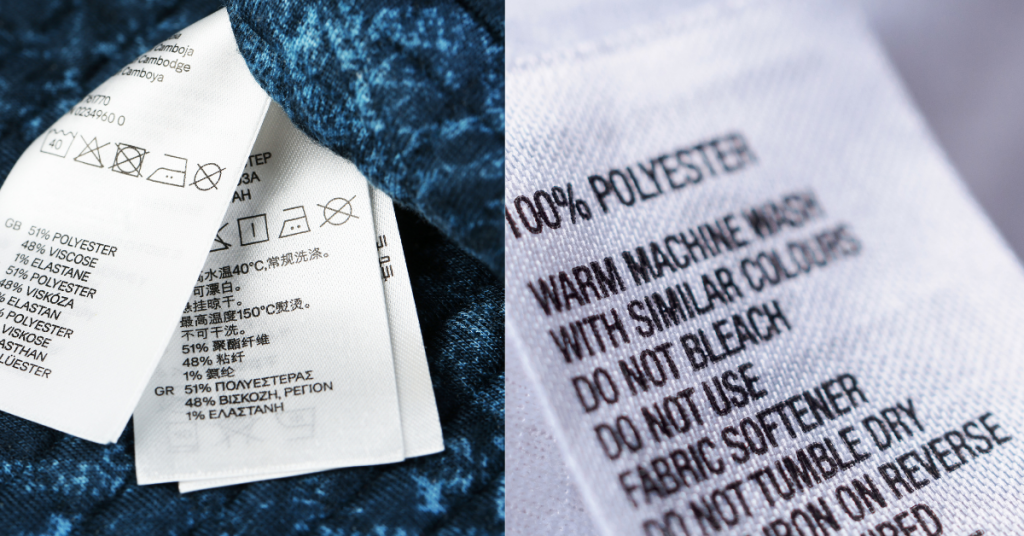
Have you ever tossed your favorite shirt into the wash, only to pull it out looking smaller or faded? You’re not alone. Most people skip reading those little laundry care tags stitched inside their clothes—but those small icons can make a big difference.
Understanding laundry symbols helps you wash your garments properly, avoid damage, and keep them looking brand new. Here’s your simple guide to decoding those confusing symbols—and how Clean Avenue Laundry makes sure your clothes always get the right care.
What Are Laundry Symbols and Why They Matter
Laundry symbols are the universal language of fabric care. Each icon tells you exactly how to wash, dry, or iron a specific item. From delicate silks to heavy denim, every fabric type reacts differently to water temperature, detergent, and heat.
Ignoring these tags might not ruin your clothes instantly, but over time, it leads to fading colors, shrinking fabrics, and worn-out textures. That’s why at Clean Avenue, we carefully follow every care instruction to extend the life of your garments—so you never have to worry about what those icons mean.
🔍 Common Laundry Symbols and What They Mean
Here’s a quick breakdown of the most common laundry symbols you’ll find on your clothes:
Washing Symbols
- Tub with water – Machine wash.
- Hand in tub – Hand wash only. (How to Handle Wet Clothes Without Ruining Them).
- Numbers inside tub – Maximum water temperature (e.g., 30°C, 40°C).
- Crossed-out tub – Do not wash. (Choosing Between Dry Cleaning and Washing).
💡 Tip: If it says “do not wash,” it likely needs dry cleaning instead.
Drying Symbols
- Square with a circle – Tumble dry allowed.
- Dots inside the circle – One dot for low heat, two for medium, three for high.
- Square with a line – Line dry only.
- Crossed-out square – Do not tumble dry.
Bleaching Symbols
- Empty triangle – Bleach allowed.
- Triangle with lines – Use non-chlorine bleach only.
- Crossed-out triangle – Do not bleach.
Ironing Symbols
- Iron shape – Ironing allowed.
- Dots inside – One dot (low heat), two dots (medium), three dots (high).
- Crossed-out iron – Do not iron.
Dry Cleaning Symbols
- Circle – Dry clean only.
- Letters inside (P, F) – Type of solvent used by professional cleaners.
- Crossed-out circle – Do not dry clean.
At Clean Avenue Laundry, we handle all these care symbols carefully—especially for specialty garments like silk, wool, or linen—to ensure the perfect clean without compromising fabric quality.
🧺 How to Read Laundry Care Tags Like a Pro
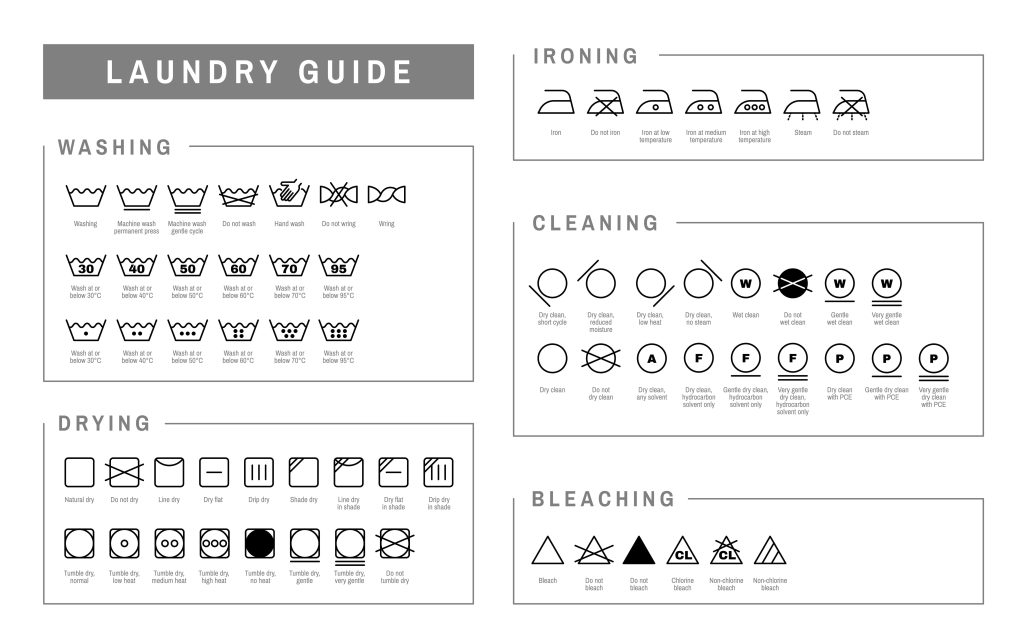
Laundry tags often have a mix of multiple symbols—washing, bleaching, drying, and ironing all in one line. Here’s how to decode them step-by-step:
- Start from the left: The first symbol usually refers to how to wash the item.
- Next, look for the triangle: That tells you about bleach use.
- Then the square and circle: That’s for drying instructions.
- Last, the iron: Shows you whether and how hot to iron.
If you’re unsure, always go for a gentler wash cycle, or leave it to the professionals. Our team at Clean Avenue takes the guesswork out of it—we follow care tags precisely to protect your clothes’ shape and color.
👕 Why Laundry Symbols Matter for Professional Cleaning
You might think laundry care tags are just tiny details—but for professionals like us, they’re the roadmap to quality cleaning. Following the laundry symbols ensures that every item gets the right treatment, whether it’s a cotton T-shirt or a designer jacket.
At Clean Avenue, we:
- ✅ Sort your clothes by fabric and care tag.
- ✅ Use the proper detergent and temperature for each load. (Best Laundry Practices & Tips).
- ✅ Adjust drying and pressing methods based on the symbols.
We know that every symbol tells a story—and we make sure it’s a clean, happy ending for your clothes.
🧴 Final Tips for Extending the Life of Your Clothes
To keep your wardrobe in top shape, here are a few extra care tips:
- Always read the care tag before washing.
- Separate light and dark colors to avoid color bleeding.
- Turn clothes inside out to preserve prints and colors.
- Use mild detergent for delicate items.
- Avoid over-drying, which can weaken fibers.
Small habits make a big difference—and help your clothes last longer.
Keep Your Clothes Looking New with Expert Care 🖤
Understanding laundry care tags is only half the job—let Clean Avenue handle the rest. From gentle fabrics to everyday wear, we treat every piece with care, precision, and premium cleaning standards.
How Often to Wash Denim: A Complete Guide
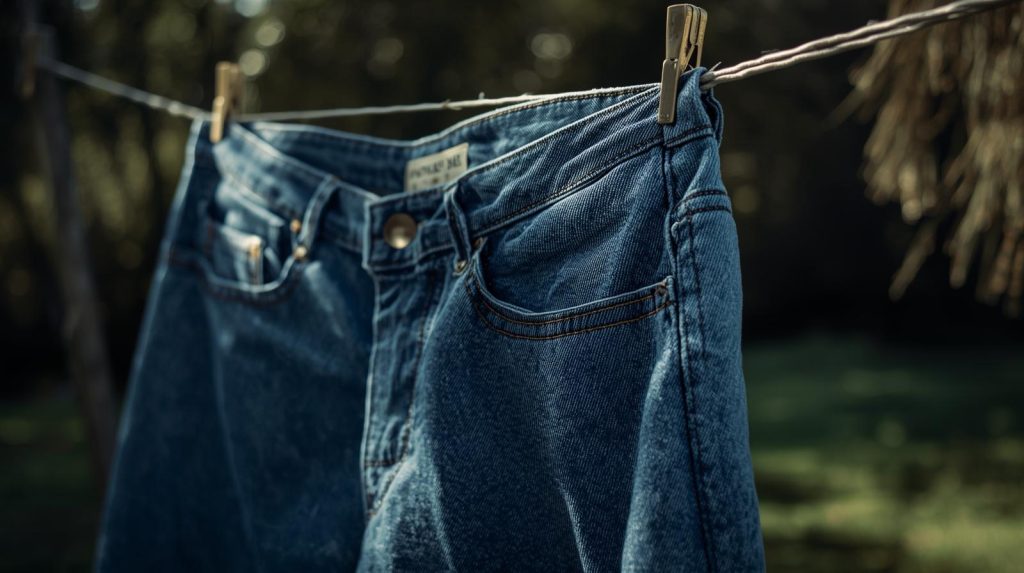
When it comes to laundry, one of the most common questions people ask is: how often to wash denim? Some people clean their jeans after every wear, while others avoid washing them for months. The truth lies somewhere in between—washing denim too often can cause fading and damage, but leaving it too long isn’t ideal either.
In this guide, we’ll explore expert advice, care tips, and alternatives so you know exactly how often to wash denim without compromising its style or durability.
Why Denim Doesn’t Need Frequent Washing
Unlike lightweight fabrics, denim is thick, durable, and naturally resistant to odor. Washing too often can actually do more harm than good, leading to:
- Color fading – especially in dark or raw denim.
- Fabric weakening – repeated washes break down the fibers.
- Loss of fit – denim shapes to your body, but washing resets that fit.
Even denim brands like Levi’s recommend washing denim sparingly to extend its life. For more on proper laundry practices, see our Best Laundry Practices & Tips guide.
How Often to Wash Denim: Practical Guidelines
There’s no single rule that applies to everyone, but here’s a helpful guide based on your lifestyle:
- Every 3–10 wears – for casual use such as errands, commuting, or working from home.
- After 1–2 wears – if exposed to sweat, dirt, smoke, or spills.
- Once a month – if worn occasionally and still looks/smells fine.
- Spot clean when needed – remove small stains with a damp cloth instead of a full wash.
Raw Denim: Special Washing Rules
If you own raw or selvedge denim, care is different. Many denim enthusiasts recommend waiting at least 6 months before the first wash so the jeans develop natural fade patterns unique to your body. After that, wash sparingly to preserve the look.
The Best Way to Wash Denim
When it’s finally time to wash denim, follow these steps to keep it looking great:
- Turn inside out – reduces fading and friction.
- Use cold water – prevents shrinking and color loss. Learn more in Cold vs Hot Water Laundry: Which Is Better for Your Clothes.
- Mild detergent only – protects fabric fibers.
- Air dry – avoid the dryer to maintain fit and quality.
For expensive or delicate denim, consider professional care. (See our guide on choosing between dry cleaning and washing).
Alternatives to Washing Denim
You don’t always need a full wash cycle. Try these instead:
- Air out overnight – hang outside or in a ventilated room.
- Fabric refresher sprays – neutralize odors.
- Freezer method – placing jeans in the freezer overnight can kill bacteria and freshen them up (though temporary).
Finding the Balance
So, how often to wash denim? The answer depends on how you wear it. A good rule of thumb: wash when they look dirty, smell, or feel uncomfortable. Otherwise, spot cleaning and airing out can extend the time between washes and make your jeans last longer.
Keep Your Denim Fresh with Clean Avenue
At Clean Avenue, we understand how to handle denim with care. Whether it’s your favorite everyday jeans or raw selvedge denim, our wash & fold laundry service ensures gentle cleaning that preserves color, fabric, and fit.
Premium Denim & Laundry Care for New Yorkers 🖤
Denim requires a special touch—too much washing can cause fading, while the wrong care can ruin the fit. At Clean Avenue, we provide expert wash & fold and dry cleaning services that protect the quality, color, and shape of your favorite jeans. Luxury care, delivered straight to your door.
How to Keep Your Towels Fluffy and Fresh
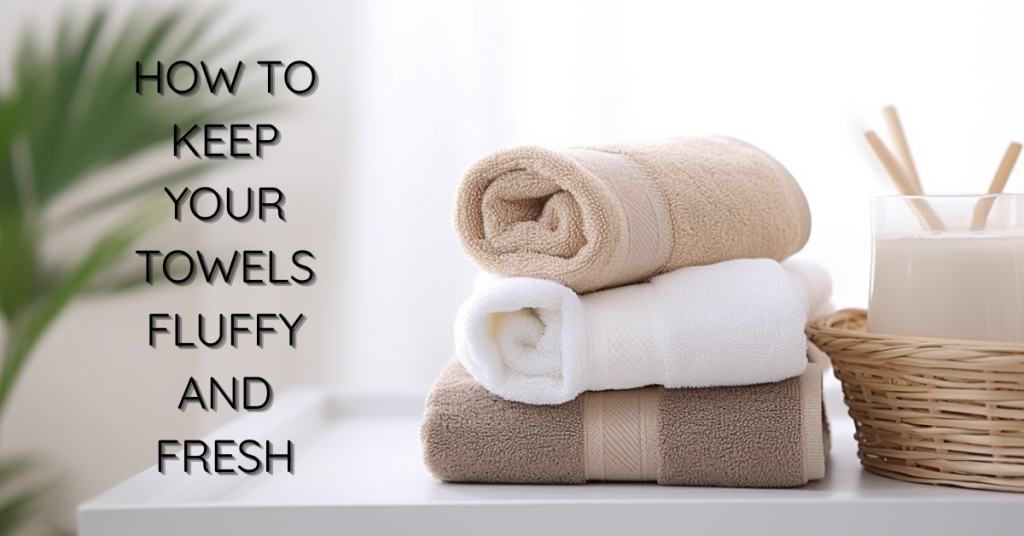
There’s nothing better than stepping out of a warm shower and wrapping yourself in a soft, fluffy towel. But over time, towels often lose their freshness and turn stiff, scratchy, or musty. If you’ve ever wondered why your towels don’t feel as good as they used to, you’re not alone.
The good news? With a few simple habits—and the help of a professional laundry service—you can keep your towels fresh, fluffy, and long-lasting.
Why Towels Lose Their Softness
Towels go through a lot. Here are some of the most common reasons they lose their fluff:
- Detergent buildup – Using too much soap leaves behind residue that weighs down fibers. (See How to Remove Detergent Stains from Clothes: A Complete Guide)
- Fabric softener residue – While it smells nice, fabric softener actually coats towels and makes them less absorbent.
- Hard water minerals – Over time, minerals can make fibers stiff.
- Excessive heat – High dryer temperatures damage fibers and shrink towels.
- Mildew growth – Leaving towels damp for too long creates a musty smell that’s hard to remove.(Related: How to Handle Wet Clothes Without Ruining Them)
Tips to Keep your Towels Fluffy and Fresh at Home
1. Use the Right Amount of Detergent
Less is more. Using too much detergent leaves a soapy coating that stiffens your towels. A small amount of liquid detergent is usually enough. (See Best Laundry Practices & Tips for general detergent guidance)
2. Skip Fabric Softeners
Fabric softeners reduce absorbency. Instead, add half a cup of white vinegar to the rinse cycle—it softens naturally and helps remove odors. (What Happens If You Use Vinegar and Laundry Detergent Together?)
3. Shake Towels Before Drying
Give towels a good shake when transferring them from the washer to the dryer. This fluffs the fibers and helps them dry evenly.
4. Dry at Medium Heat
Avoid over-drying, which damages fibers. A medium-heat setting will keep them fluffy without shrinking.
5. Wash Towels Separately
Towels pick up lint from other clothes. Washing them alone helps them stay cleaner and fresher. (Why Overloading Your Washing Machine Leaves Clothes Dirtier)
6. Don’t Let Towels Sit Damp
The longer towels stay damp, the more likely they are to smell musty. Hang them up to dry immediately after use or wash them right away.
7. Storage Matters: Keep Your Towels Fresh Longer
Even if you wash and dry your towels the right way, storage plays a big role in keeping them fluffy and fresh. Always make sure your towels are completely dry before folding to prevent mildew or that musty smell. Store them in a cool, dry place where air can circulate. If possible, use open shelves instead of closed cabinets to avoid trapping moisture. You can also place a small sachet of lavender or baking soda in your linen closet to keep your towels smelling clean. For towels you use daily, rotate them often—this prevents overuse of one towel and helps all of them stay in better condition. Proper storage not only keeps them fresh but also extends their softness and overall quality.
Want to dive deeper into proper laundry and fabric care? Check out the American Cleaning Institute’s Laundry Basics guide for more expert tips.
Professional Care for Hotel-Quality Towels
Sometimes, even your best home care isn’t enough. That’s where Clean Avenue can help. Our professional laundry service keeps your towels fresh and soft by:
- Removing detergent buildup and deep-cleaning fibers
- Offering hang-dry options to prevent shrinkage and stiffness
- Folding and returning your towels in ready-to-use condition
- Providing fast and convenient pickup and delivery anywhere in NYC
With our care, you’ll feel like you’re using hotel-quality towels every day—without the hassle of doing laundry yourself.
Final Thoughts
Fluffy, fresh towels are possible with the right habits at home—or with a little help from your trusted laundry service. If you’re ready to enjoy soft towels every time, let Clean Avenue handle it for you.
Fluffy Towels, Effortless Care 🖤
Enjoy hotel-quality softness at home. Clean Avenue keeps your towels fresh, fluffy, and long-lasting with premium laundry pickup and delivery service.
How to Remove Mildew from Clothes and Prevent It from Coming Back
Have you ever left damp clothes in the washer overnight or forgotten to hang them after rain? That musty, unpleasant odor you smell later is a sign of mildew. Not only does mildew make clothes smell bad, but it can also leave stains and weaken fabric fibers over time.
Don’t worry—mildew is a common laundry issue, and with the right steps, you can remove it and prevent it from coming back.
What Is Mildew on Clothes?
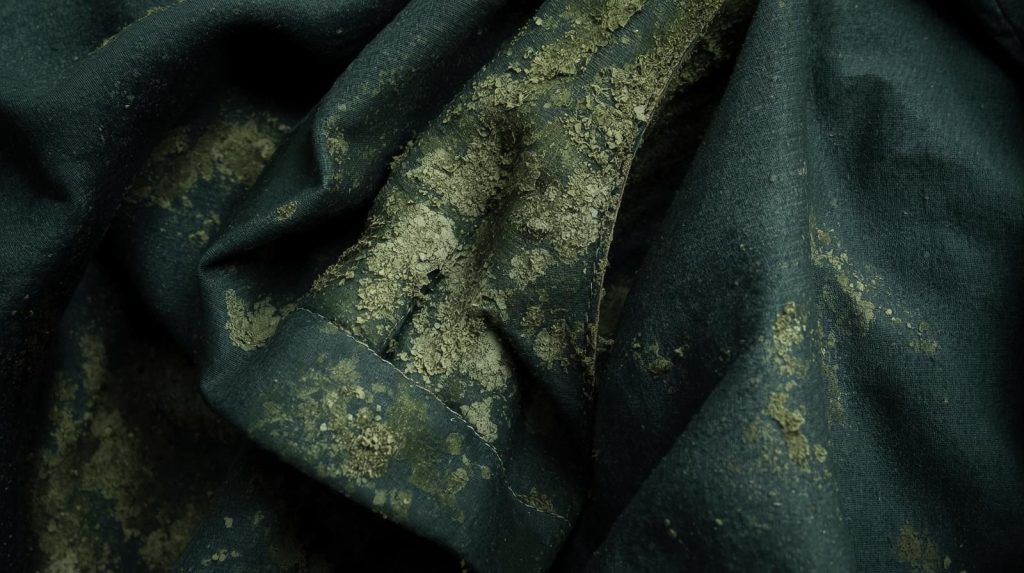
Mildew is a type of fungus that grows in warm, damp, and poorly ventilated areas. When it develops on clothes, it can appear as:
- White, gray, or green spots on fabric
- A strong, musty smell that doesn’t go away after a normal wash
- Stiffness in the fabric if mildew growth is severe
Unlike simple dirt or sweat stains, mildew can spread quickly and become harder to treat the longer it stays on your clothes.
Why Does Mildew Form on Clothes?
Understanding the cause of mildew helps you prevent it. Some of the most common reasons include:
- Leaving wet clothes in the washer too long (How to Handle Wet Clothes Without Ruining Them)
- Storing damp laundry in closets or drawers
- Drying clothes in humid, poorly ventilated rooms
- Sweaty gym clothes left in a bag for days (How Often Should You Wash Your Gym Clothes? The Truth About Rewearing Activewear)
Basically, anywhere moisture lingers, mildew can thrive.
How to Remove Mildew from Clothes
If you’ve spotted mildew on your clothes, don’t panic—here’s how you can treat it effectively.
1. Brush Off Loose Mildew
Take the affected clothing outdoors and brush away any visible mildew. Doing this outside prevents spores from spreading inside your home.
2. Pre-Soak with Vinegar or Baking Soda
Soak the clothes in one of these natural solutions:
- Vinegar Solution: 1 cup of white vinegar mixed with 1 bucket of water. (What Happens If You Use Vinegar and Laundry Detergent Together?)
- Baking Soda Solution: ½ cup of baking soda dissolved in warm water.
Both help neutralize odors and kill mildew spores naturally.
3. Wash with Hot Water (If Safe for Fabric)
Check the care label first. If the fabric allows, wash in hot water with your regular detergent plus 1 cup of vinegar. For delicate fabrics, use cold water with gentle detergent.
4. Use a Specialized Mildew Remover (Optional)
For stubborn cases, laundry-safe mildew removers or oxygen bleach (not chlorine bleach, unless fabric allows) can work wonders.
5. Dry Clothes in Direct Sunlight
Sunlight is a natural disinfectant. Dry your clothes under the sun if possible—it helps kill any remaining mildew spores and eliminates odors.
6. Repeat If Needed
Sometimes mildew doesn’t go away after the first wash. If the smell or stains remain, repeat the soaking and washing process.
Real Simple – “How to Get Rid of Mildew Smell in Laundry for Good”
This guide is highly relevant, widely trusted, and updated last month (August 2025). It offers practical, effective methods such as soaking clothes in vinegar solutions, using chlorine bleach for whites, borax, pine oil, oxygen bleach for stains, and laundry sanitizers—all tailored for mildew removal.
For proven and up-to-date techniques, check out Real Simple’s detailed guide on removing mildew smells from laundry.
How to Prevent Mildew in Clothes
Removing mildew is one thing, but preventing it saves you a lot of trouble. Here are some tips:
- Don’t leave damp clothes in the washer – Transfer them to the dryer or hang them immediately.
- Ensure proper ventilation – Avoid storing clothes in sealed, damp spaces. Use a dehumidifier if needed.
- Store clothes only when completely dry – Even slightly damp fabric can grow mildew in storage.
- Avoid overstuffing hampers – Air circulation prevents moisture buildup.
- Schedule regular laundry pickup and delivery – Services like Clean Avenue help prevent clothes from piling up and sitting damp for too long.
Can Professional Laundry Services Help?
Yes! If mildew has already set in or if you want to avoid it altogether, a professional laundry service can help. At Clean Avenue Laundry, we:
- Use commercial-grade equipment and detergents designed to eliminate mildew.
- Ensure proper drying techniques so your clothes never return damp.
- Provide pickup and delivery so your laundry doesn’t sit around at home waiting to be washed.
Final Thoughts
Mildew in clothes is frustrating, but it doesn’t have to ruin your favorite garments. With quick action and preventive habits, you can keep your clothes fresh, clean, and long-lasting.
👉 Don’t want to deal with mildew yourself? Let Clean Avenue Laundry handle it. We specialize in professional laundry care with pickup and delivery right at your doorstep.
📲 Schedule your next laundry pickup today at www.cleanavenuenyc.com or call us at 855-801-8214.
Your clothes deserve the best care—without the mildew smell!
Say Goodbye to Mildew, Hello Fresh Laundry 🧺✨
Don’t let mildew ruin your favorite clothes. Clean Avenue provides expert laundry care that restores freshness and keeps your wardrobe safe from mold and odors.
How to Handle Wet Clothes Without Ruining Them: The Risks of Leaving Wet Clothes Too Long
Leaving wet clothes too long can lead to unpleasant odors, mildew, and even fabric damage. Whether it’s garments straight from the washing machine, a sudden rain, or a sweaty workout, knowing how to handle wet clothes properly is key to maintaining your wardrobe and extending the life of your fabrics.
In this guide, we’ll explore practical tips on managing wet garments safely, common mistakes to avoid, and methods to keep your clothes fresh and durable. For a full overview of maintaining clothing quality, see our Best Laundry Practices & Tips.
Why Leaving Wet Clothes Too Long Is a Problem
When wet clothes are left unattended, bacteria and mold can grow rapidly. This not only creates unpleasant smells but also weakens fabric fibers over time. Certain materials, like cotton and wool, are particularly vulnerable. By acting quickly, you prevent long-term damage and keep your clothes looking their best.
Check out How to Remove Mildew from Clothes and Prevent It from Coming Back for more on tackling mildew issues.
Handle Wet Clothes Gently
Always handle wet clothes with care. Avoid wringing them too aggressively, as this can stretch or tear the fibers. Instead, gently squeeze out excess water. This is especially important for delicate fabrics, which can easily lose shape or develop snags if treated roughly.
For tips on washing delicate fabrics safely, see The Right Way to Wash Underwear: Laundry Tips You Should Know.
Separate Clothes by Fabric Type
Sorting wet clothes by fabric type is essential. Heavier items like jeans and towels take longer to dry, while lighter materials such as t-shirts and blouses dry faster. Keeping fabrics separate prevents over-drying or under-drying and ensures that garments don’t become misshapen or retain moisture longer than necessary.
Learn more about How Often to Wash Denim: A Complete Guide and How to Keep Your Towels Fluffy and Fresh.
Use the Right Drying Methods
The way you dry wet clothes can make a huge difference:
- Air Drying: Hang clothes in a well-ventilated area, preferably outdoors. This method preserves fabric integrity and reduces the risk of shrinkage.
- Machine Drying: Use low or medium heat for delicate fabrics. Overheating can damage fibers and lead to pilling.
- Flat Drying: For knitwear or garments that stretch easily, lay them flat on a towel to maintain shape while drying.
By choosing the right drying method, you avoid common problems caused by leaving wet clothes too long in damp piles or laundry baskets.
Don’t Let Clothes Sit in the Washer
One of the most common mistakes is leaving wet clothes in the washing machine after the cycle ends. Doing so can lead to musty smells and mildew buildup. Always transfer clothes to the dryer or a drying rack as soon as possible to prevent “wet laundry hazards.”
You can also see How to Remove Detergent Stains from Clothes: A Complete Guide for tips if detergent residue worsens odor or staining.
Quick Tips to Prevent Damage
- Shake Out Clothes: Before drying, shake garments to remove wrinkles and excess water.
- Avoid Overloading Dryers: Too many clothes at once reduces airflow and extends drying time.
- Use Fabric-Friendly Products: Consider gentle detergents and avoid harsh chemicals that can weaken fibers when wet.
Trusted Resources & Expert Advice
For more tips on handling wet clothes safely and avoiding damage, check out these authoritative sources:
- Martha Stewart – Can You Leave Wet Laundry in the Washer Overnight? Martha Stewart offers insights into the duration wet clothes can safely remain in the washer and provides tips on preventing mildew and odors.
- The Spruce – Why Are My Clothes Still Wet After Washing? This article discusses common causes of wet clothes post-wash and offers solutions to ensure proper drying.()
- Well Polished – How to Rescue Clothes Accidentally Left in the Washer Provides practical steps to refresh clothes that have been left in the washer too long, including using vinegar and baking soda.
These articles provide up-to-date expert advice on laundry care and reinforce best practices for keeping your clothes fresh and damage-free.
Final Thoughts
Proper care of wet clothes is simple but essential. By handling them gently, separating fabrics, drying them correctly, and avoiding leaving them too long, you can maintain your clothes’ appearance, texture, and lifespan. Remember: leaving wet clothes too long is a risk you can easily prevent with the right routine.
For more guidance on overall laundry best practices, see our pillar post Best Laundry Practices & Tips.
Protect Your Wet Clothes Effortlessly 🖤
Leaving wet clothes too long? Clean Avenue helps busy New Yorkers save time, keep clothes fresh, and prevent damage with our premium laundry pickup and delivery service.
