How to Remove Rust Stains from Clothes (Safe & Effective Methods)

Rust stains on clothes can be one of the most frustrating types of stains to deal with. Unlike food or oil stains, rust leaves behind a stubborn orange or brown mark that can seem permanent if not treated properly. Whether it comes from old pipes, metal hangers, or forgotten coins in your pocket, rust can quickly ruin your favorite clothing. In this article, we’ll cover how to remove rust stains from clothes effectively.
The good news is that rust stains can be removed safely using the right techniques. In this guide, we’ll walk you through effective methods to remove rust stains and how to prevent them in the future.
Knowing how to remove rust stains from clothes can save you time and money, keeping your garments looking their best.
What Causes Rust Stains on Clothes?
Rust stains are caused when fabric comes into contact with oxidized metal. This usually happens when metal reacts with moisture and air, forming rust that transfers onto your clothes.
Common causes include:
- Old or rusty washing machine drums
- Metal hangers or drying racks
- Coins, keys, or small metal items left in pockets
- Water with high iron content
Since rust is a mineral-based stain, it doesn’t respond well to regular detergents, which is why special treatment is needed. According to the American Cleaning Institute, mineral-based stains like rust require specific treatment methods rather than regular detergent.
Important: What NOT to Do
Before attempting to remove rust stains, it’s important to avoid common mistakes that can make the stain worse:
- ❌ Do not use bleach — this can set the rust stain permanently
- ❌ Avoid scrubbing aggressively — it can damage the fabric fibers
- ❌ Do not apply heat — heat will lock the stain into the fabric
Always treat rust stains gently and as soon as possible for the best results.
Method 1: Lemon Juice and Sunlight (Natural Solution)
This is one of the most popular and effective natural remedies for removing rust stains.
Steps:
- Lay the garment flat on a clean surface
- Apply fresh lemon juice directly onto the stain
- Sprinkle a small amount of salt over the area (optional but helpful)
- Place the garment under direct sunlight for 30–60 minutes
- Rinse with cold water and wash as usual
The acidity of the lemon helps break down the rust, while sunlight boosts the effect naturally.
👉 Best for: Light to moderate stains on white or light-colored fabrics
Method 2: White Vinegar and Baking Soda
This method works well for slightly tougher stains and is still gentle on most fabrics.
Steps:
- Pour white vinegar directly onto the stained area
- Sprinkle baking soda over the vinegar
- Let the mixture fizz and sit for 10–15 minutes
- Gently blot the stain (avoid scrubbing)
- Rinse thoroughly and wash as usual
👉 Best for: Moderate rust stains that need a bit more treatment
Method 3: Use a Fabric-Safe Rust Remover
For stubborn or older stains, a commercial rust remover designed specifically for fabrics may be necessary.
Tips for safe use:
- Always read and follow the product instructions
- Test on a small hidden area first
- Avoid over-applying the product
These products are formulated to dissolve rust without damaging the fabric when used correctly.
👉 Best for: Deep or set-in rust stains
Can All Fabrics Be Treated the Same Way?
Not all fabrics respond equally to rust stain removal methods. While cotton, polyester, and blends are generally safe to treat at home, delicate fabrics require extra care.
- Silk and wool: Avoid DIY treatments; these fabrics are sensitive
- Colored garments: May fade if exposed to acidic solutions
- Delicate materials: Best handled by professionals
If you’re unsure, it’s always safer to seek expert help.
When to Call a Professional Laundry Service
Sometimes, DIY methods are not enough—especially for valuable or delicate garments.
You should consider professional help if:
- The stain has been sitting for a long time
- The fabric is delicate or expensive
- Home remedies have failed
At Clean Avenue Laundry, we specialize in removing tough stains like rust using professional-grade solutions that are safe for your clothes. Our trained team ensures your garments are handled with care while delivering high-quality results.
How to Prevent Rust Stains
Prevention is always better than treatment. Here are simple ways to avoid rust stains on your clothes:
- Check all pockets before washing
- Avoid using metal hangers
- Use rust-free drying racks
- Clean and maintain your washing machine regularly
- Be cautious with water sources that may contain iron
Taking these small steps can save your clothes from unnecessary damage.
Need Help with Stubborn Stains?
Don’t risk damaging your favorite pieces by trying multiple harsh methods.
Clean Avenue Laundry offers professional stain removal services with convenient pickup and delivery across NYC. We take the hassle out of laundry and ensure your garments come back fresh, clean, and stain-free.
👉 Schedule your pickup today and let us handle the rest.
Conclusion
Rust stains may look permanent, but they can be removed with the right techniques and proper care. Whether you choose a natural remedy or a professional service, acting quickly is key to preventing long-term damage.
With the tips above, you’ll be better equipped to tackle rust stains and keep your clothes looking their best.
🧺 Laundry made easy.
Skip the stress of laundry day — Clean Avenue Laundry picks up, cleans, folds, and delivers your clothes right to your door anywhere in NYC.
How to Wash a Comforter: Easy Tips for a Fresh and Fluffy Bed

Keeping your comforter clean is essential for a healthy and cozy home. Comforters collect dust, sweat, and allergens over time, which can affect your sleep and hygiene. Many people in New York struggle with bulky bedding, wondering how to wash a comforter without damaging it. Luckily, Clean Avenue offers professional comforter cleaning services with convenient pickup and delivery, ensuring your bedding stays fresh, clean, and fluffy.
Why Comforter Cleaning Is Important
Knowing how to wash a comforter properly is about more than just looks. Regular cleaning helps:
- Remove allergens: Dust mites, pollen, and dead skin cells accumulate in bedding, which can trigger allergies.
- Maintain freshness: A clean comforter smells fresh and feels soft, improving your sleep experience.
- Extend lifespan: Proper care prevents clumping, tearing, or discoloration of your comforter’s filling and fabric.
Whether you have a down comforter or a synthetic one, following the right steps ensures your bedding stays cozy and long-lasting.
Step 1: Check the Care Label
The first step in learning how to wash a comforter is reading the care label. It tells you whether your comforter is machine washable, hand-wash only, or dry clean only. Ignoring these instructions can damage the fabric or filling, so always start here.
According to experts at The Spruce, proper comforter care includes checking the care label and choosing the right washing method.
Step 2: Choosing the Right Washing Method
For Machine-Washable Comforters:
- Use a large-capacity washer to give the comforter enough space to move freely.
- Select a gentle cycle with cold water to protect the fibers.
- Use mild detergent and avoid bleach or harsh chemicals that can damage the filling.
For Non-Machine Washable or Delicate Comforters:
- Some fabrics, like silk or wool, and certain down comforters may need professional cleaning.
- Dry cleaning is often the safest way to maintain shape, softness, and color.
Understanding how to wash a comforter correctly depends on knowing its fabric and filling type.
Step 3: Drying Your Comforter
Drying is a critical part of comforter care:
- Tumble Dry: Use a low-heat setting with clean dryer balls or tennis balls to maintain fluffiness.
- Air Dry: Lay flat or hang evenly in a well-ventilated area. Make sure the comforter is completely dry to prevent mildew.
Step 4: Spot Cleaning Minor Stains
If you notice small stains, you don’t always need to wash the entire comforter.
- Mix mild detergent with water.
- Dab gently with a clean cloth—avoid scrubbing, which can damage fibers.
- This method helps maintain your comforter between full washes.
Professional Comforter Cleaning With Clean Avenue
While it’s possible to wash a comforter at home, bulky bedding can be heavy and tricky to handle. That’s why many New Yorkers choose professional help. At Clean Avenue, we specialize in:
- Deep Cleaning: Our machines and eco-friendly detergents clean your comforter thoroughly without damaging the fabric or filling.
- Pickup & Delivery: We handle the heavy lifting, so you don’t have to.
- Guaranteed Fluffiness: We ensure your comforter comes back soft, fresh, and ready for cozy nights.
Professional cleaning is particularly helpful for down comforters, large bedding sets, and allergy sufferers.
Tips for Maintaining Your Comforter Between Washes
Even after professional cleaning, proper care prolongs freshness:
- Use a duvet cover to protect from dirt and spills.
- Air out your comforter regularly to prevent odors.
- Spot clean stains immediately to avoid permanent marks.
- Shake and rotate your comforter periodically to keep the filling evenly distributed.
Ready to Learn How to Wash a Comforter the Easy Way?
Don’t stress over washing your bulky bedding. Let Clean Avenue handle it for you! Schedule your comforter pickup and delivery through our app or website and enjoy fresh, clean, and fluffy bedding without lifting a finger.
Your comforter deserves care that keeps it soft, hygienic, and cozy. Trust Clean Avenue to make bedding maintenance effortless.
📲 Book your comforter cleaning today and enjoy fresh, fluffy bedding delivered straight to your door!
🧺 Laundry made easy.
Skip the stress of laundry day — Clean Avenue Laundry picks up, cleans, folds, and delivers your clothes right to your door anywhere in NYC.
How to Wash Sneakers: A Complete Step-by-Step Guide for Cleaner, Longer-Lasting Shoes
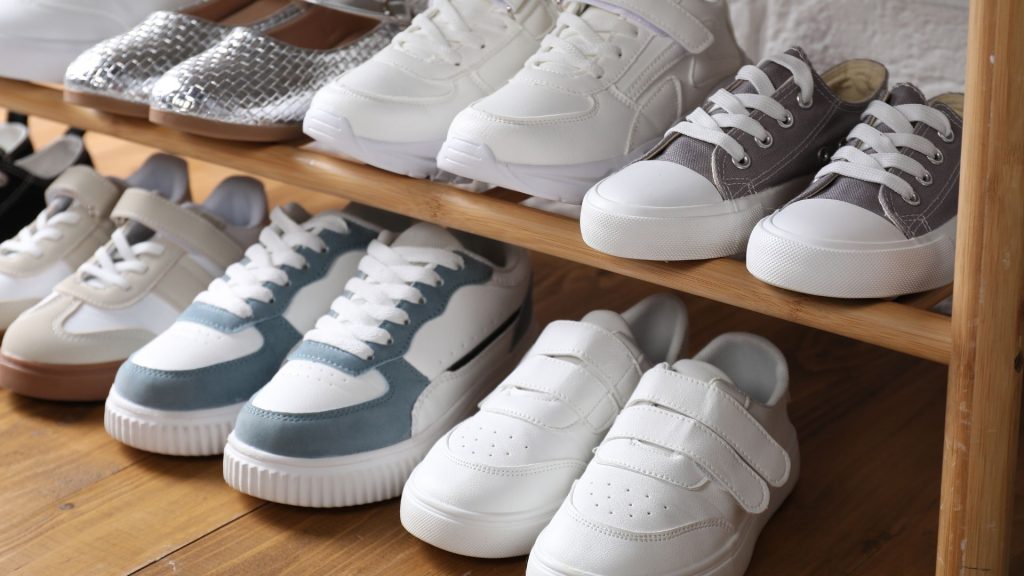
Keeping your shoes clean is essential, and learning how to wash sneakers properly can help maintain their look, comfort, and durability. Whether you use your sneakers daily or occasionally, dirt, stains, and odors can build up quickly if not cleaned the right way.
At Clean Avenue Laundry, we know that sneakers are an important part of your everyday life. That’s why we’ve created this easy, step-by-step guide to show you exactly how to wash sneakers safely and effectively.
Why It’s Important to Know How to Wash Sneakers
Understanding how to wash sneakers correctly helps you avoid damage and keeps your shoes looking brand new for longer.
Here are a few key benefits:
- Prevents stubborn stains from setting
- Eliminates odor-causing bacteria
- Maintains the shape and structure of your shoes
- Extends the lifespan of your sneakers
Regular cleaning is especially important if you live in busy cities like New York, where dirt and grime build up quickly.
What You Need Before Washing Sneakers
Before you start, make sure you have the right tools:
- Mild detergent or gentle soap
- Soft brush (like an old toothbrush)
- Microfiber cloth or sponge
- Warm water
- Baking soda (for odor removal)
- Mesh laundry bag (if using a washing machine)
Using the proper materials is key when learning how to wash sneakers without damaging them.
Step-by-Step: How to Wash Sneakers by Hand
If you want the safest method, hand washing is the best option.
1. Remove Laces and Insoles
Take out the laces and insoles so you can clean every part thoroughly.
2. Brush Off Loose Dirt
Use a dry brush to remove dust, mud, and debris from the surface and soles.
3. Make a Cleaning Solution
Mix warm water with a small amount of mild detergent.
4. Scrub Gently
Dip your brush into the solution and gently scrub your sneakers. Focus on stained or dirty areas.
5. Clean Laces and Insoles Separately
- Soak laces in soapy water
- Wipe insoles with a damp cloth (avoid soaking)
6. Wipe Off Soap Residue
Use a clean damp cloth to remove any remaining soap.
7. Air Dry Properly
Let your sneakers air dry in a well-ventilated area. Avoid direct sunlight or heat sources.
This method is the safest way to master how to wash sneakers at home and brands like Nike recommend using gentle cleaning methods to avoid damaging the material and structure of your sneakers.
How to Wash Sneakers in the Washing Machine
If you’re short on time, you can also learn how to wash sneakers using a washing machine—but only for certain materials like canvas or fabric.
Follow these tips:
- Place sneakers in a mesh laundry bag
- Use cold water and a gentle cycle
- Add towels to protect the shoes
- Never use high heat when drying
⚠️ Avoid machine washing leather, suede, or delicate sneakers, as it can cause damage.
How to Remove Odor from Sneakers
Even after washing, some sneakers may still smell. Here’s a simple solution:
- Sprinkle baking soda inside your sneakers
- Leave overnight
- Shake out before wearing
This is an easy add-on when learning how to wash sneakers and keep them smelling fresh.
Common Mistakes to Avoid
When learning how to wash sneakers, avoid these common mistakes:
- Using bleach or harsh chemicals
- Putting sneakers in the dryer
- Scrubbing too aggressively
- Soaking shoes for too long
These mistakes can shorten the life of your sneakers.
When to Choose Professional Sneaker Cleaning
Sometimes, DIY cleaning isn’t enough—especially for expensive or delicate sneakers.
That’s where Clean Avenue Laundry comes in. Our professional cleaning service ensures your sneakers are handled with care using safe and effective methods.
If you want the best results without the risk, trust Clean Avenue Laundry to take care of your shoes.
Final Thoughts
Now that you know how to wash sneakers, you can keep your shoes looking clean, fresh, and long-lasting. Whether you choose to hand wash or use a machine, following the right steps makes all the difference.
And if you’d rather save time and guarantee results, Clean Avenue Laundry is always here to help with expert sneaker cleaning services.
🧺 Laundry made easy.
Skip the stress of laundry day — Clean Avenue Laundry picks up, cleans, folds, and delivers your clothes right to your door anywhere in NYC.
How Much Is Dry Cleaning in NYC? A Quick Guide to Typical Prices
If you’ve ever wondered how much dry cleaning costs, you’re not alone. One of the most common questions people ask before scheduling a laundry service is: “How much is dry cleaning?”
Dry cleaning prices can vary depending on several factors such as the type of garment, fabric, and the location of the service provider. In New York City, prices may also differ depending on whether you’re using a neighborhood cleaner or a convenient pickup and delivery service like Clean Avenue.
In this guide, we’ll break down the typical cost of dry cleaning in NYC and explain what affects pricing.
Average Dry Cleaning Prices in NYC
The cost of dry cleaning depends on the garment you need cleaned. Here are some typical price ranges you might see in New York:
Common Dry Cleaning Prices
- Dress shirts: $3 – $8
- Pants or trousers: $8 – $15
- Blouses: $7 – $14
- Dresses: $15 – $30
- Suits (two-piece): $18 – $35
- Coats or jackets: $20 – $40
- Sweaters: $8 – $15
Keep in mind that these prices are estimates. The final cost may vary depending on fabric type, stain treatment, and special care instructions.
What Affects Dry Cleaning Prices?
Several factors determine the final cost of dry cleaning.
1. Type of Garment
Larger or more complex garments usually cost more to clean. For example, a suit or winter coat requires more time and care compared to a simple shirt.
2. Fabric Material
Certain fabrics require special handling. Delicate materials like silk, wool, velvet, or cashmere may increase the price because they require careful cleaning processes.
3. Stain Removal
If your clothing has heavy stains such as oil, wine, or ink, the cleaner may need additional treatments to remove them safely.
4. Special Care Instructions
Items that require hand finishing, pressing, or delicate cycles may have slightly higher pricing.
Is Dry Cleaning Worth the Cost?
Many garments labeled “dry clean only” are made from fabrics that can shrink, fade, or lose their shape if washed in water.
Dry cleaning helps:
- Protect delicate fabrics
- Extend the lifespan of clothing
- Maintain garment shape and color
- Remove tough stains safely
For professional clothing like suits, dresses, and coats, dry cleaning can help keep them looking new for much longer.
Convenient Dry Cleaning in NYC
Instead of visiting a laundromat or dry cleaner in person, many New Yorkers now prefer pickup and delivery dry cleaning services.
With Clean Avenue, customers can schedule a pickup online and have their garments cleaned and delivered straight to their door. This option saves time and makes it easier to stay on top of laundry without disrupting a busy schedule.
How Often Should You Dry Clean Your Clothes?
Many people also wonder not only how much is dry cleaning, but how often they should use it. The frequency depends on the type of garment and how often it’s worn.
For example, business suits and formal dresses typically only need dry cleaning after several wears unless they become stained. Shirts, blouses, and workwear may need cleaning more frequently, especially if they are worn regularly. Over-cleaning certain fabrics can also cause unnecessary wear, so it’s best to follow the care label instructions whenever possible.
Understanding when to dry clean your clothing can help you save money while still keeping your garments in excellent condition.
Tips to Save Money on Dry Cleaning
If you’re trying to manage your laundry budget, there are several simple ways to reduce dry cleaning costs.
First, check the care labels on your clothes. Some garments labeled “dry clean” can actually be washed carefully at home. Second, treat stains as soon as possible so they don’t become harder (and more expensive) to remove. Finally, using a pickup and delivery laundry service like Clean Avenue can save time and make it easier to manage your regular clothing care without multiple trips to the cleaner.
By understanding how much dry cleaning costs and how to properly care for your clothes, you can keep your wardrobe looking great while staying within your budget.
Understanding Dry Cleaning Care Labels
If you’re unsure whether an item truly needs dry cleaning, checking the clothing care label is always the best place to start. Care labels provide instructions on how garments should be cleaned to prevent shrinking, color fading, or fabric damage.
According to the Federal Trade Commission, clothing manufacturers in the United States are required to provide care instructions that tell consumers the proper way to clean garments. These instructions may include washing, drying, ironing, or professional dry cleaning recommendations.
Following the care label helps protect delicate fabrics and ensures your clothing lasts longer. If a garment says “dry clean only,” it’s usually because water washing could damage the fabric or affect the garment’s structure.
Final Thoughts
So, how much is dry cleaning?
While prices vary depending on the garment and fabric, most items fall within the $5 to $30 range in New York City. Understanding the factors that affect pricing can help you plan ahead and choose the right cleaning service for your needs.
If you’re looking for a convenient and reliable dry cleaning service, scheduling a pickup with Clean Avenue is an easy way to keep your clothes clean without the hassle.
🧺 Laundry made easy.
Skip the stress of laundry day — Clean Avenue Laundry picks up, cleans, folds, and delivers your clothes right to your door anywhere in NYC.
Best Laundry Service for Students in New York – Pickup, Delivery & Discounts

College life in New York City is exciting but busy. Between late-night study sessions, group projects, internships, and social life, laundry can easily pile up. That’s why students are searching for “student laundry service NYC” — a convenient, time-saving solution that lets them focus on what matters most: school and life.
With the hustle and bustle that comes with living in New York City, students often find themselves overwhelmed by the demands of their academic and personal lives. Juggling assignments, exams, and extracurricular activities can leave little room for mundane tasks like laundry. Many students turn to laundry services to alleviate some of this burden, allowing them to focus on their studies and socializing without the added stress of chores.
Clean Avenue offers tailored solutions for students, understanding their unique needs and busy schedules. Our services not only save time but also ensure that clothes are maintained in prime condition, which is crucial for students who need to look their best for interviews, presentations, or social events.
With the high cost of living in NYC, many students are budget-conscious and looking for affordable services. Clean Avenue recognizes this and provides competitive pricing specifically for students, helping them keep their expenses in check while still enjoying high-quality laundry care.
At Clean Avenue, we specialize in student laundry pickup and delivery in NYC. We handle your laundry from start to finish — pickup, professional washing, folding, and on-time delivery — so you can reclaim your time and energy.
Why NYC Students Need Laundry Pickup & Delivery
Busy students frequently search for:
- Student laundry service NYC
- Laundry pickup and delivery near me
- College student laundry discounts NYC
Balancing classes, part-time jobs, and social life leaves little time for laundromats. Clean Avenue provides a solution that’s:
Additionally, students can take advantage of various promotional offers throughout the year, including seasonal discounts and referral bonuses, making it even more affordable to maintain a clean wardrobe.
- Convenient — we come to your dorm or apartment
- Reliable — on-time pickup and delivery
- High-quality — washing, drying, and folding done professionally
- Affordable — exclusive student discounts
How Clean Avenue Supports Students
Here’s how our student laundry service in NYC works:
- Schedule a pickup online — pick a time that fits your busy schedule
- We collect your laundry from your dorm, apartment, or shared housing
- Professional washing and folding — your clothes come back neat and ready to wear
- On-time delivery — straight to your door, so you never miss a class
Student Discount: Show a copy or photo of your student ID when booking and enjoy reduced rates — a perk thousands of students love!
Our service extends beyond just laundry; we also offer dry cleaning and special handling for delicate fabrics. This means that whether you have a favorite sweater that requires extra care or a suit that needs to look pristine for an important occasion, we’ve got you covered. Understanding these additional needs allows us to be a one-stop solution for all laundry-related requirements.
⏰ Save Time with Clean Avenue
Doing laundry can take 2–3 hours per week, time that could be spent studying, relaxing, or socializing. By using Clean Avenue’s pickup and delivery service for students, you free up hours each week.
Our students appreciate:
- Avoiding crowded dorm laundromats
- No more carrying heavy laundry bags
- Professional care for all clothing items
It’s laundry day — without leaving your room.
Good time management is essential for students to balance academics and daily tasks, including chores like laundry. This guide shows effective strategies that help students stay organized and make the most of their time. (link)
🧦 Tips for Stress-Free Student Laundry
To maximize your Clean Avenue experience:
Using our services not only saves time but also introduces students to a new standard of laundry care. Many students report feeling more organized and less stressed after integrating our pickup and delivery service into their routines, allowing them to allocate their time to more meaningful activities.
- Prep your laundry bag early — have it ready the night before pickup
- Separate delicate items — let us know so we can handle them carefully
- Track your order — get reminders so you always know when your laundry will be picked up and delivered
Small steps make your laundry experience seamless and worry-free.
📌 Final Thoughts
Laundry doesn’t need to slow down student life. With Clean Avenue, NYC students get:
- Convenient pickup and delivery
- Professional washing and folding
- On-time service
- Exclusive student discounts
Stop worrying about laundry and focus on your studies, projects, and social life.
Moreover, our user-friendly online platform allows students to schedule pickups with just a few clicks. This convenience is particularly appreciated during midterms and finals when students are busiest, providing them with a hassle-free way to manage their laundry without disrupting their study schedule.
Book your student laundry pickup today and experience stress-free laundry in New York City! Our commitment to quality and convenience ensures that managing your laundry is one less thing to worry about in your busy student life. Join thousands of satisfied students who have made Clean Avenue their go-to laundry service. Don’t let laundry hold you back from enjoying all that NYC has to offer!
For those new to using a laundry service, we offer easy-to-follow guides on how to prepare your laundry for pickup. This helps eliminate confusion and ensures that every item is washed according to the student’s specific preferences, resulting in the best possible experience.
In addition to these benefits, Clean Avenue fosters a sense of community among its student clientele. We often organize events and promotions that allow students to connect, share tips, and even collaborate on projects, building a network that extends beyond just laundry services.
Dry Cleaner Near Me: Fast, Convenient, and Reliable Services in NYC
Looking for a dry cleaner near me in New York City can sometimes feel overwhelming. Between busy work schedules, family commitments, and errands, finding time to drop off your clothes for professional cleaning isn’t always easy. That’s where Clean Avenue comes in — offering fast, reliable, and convenient dry cleaning services that fit seamlessly into your busy lifestyle.
Why Choosing the Right Dry Cleaner Matters
Dry cleaning isn’t just about getting your clothes clean — it’s about protecting your favorite fabrics and extending the life of your wardrobe. Using the wrong cleaning method or a low-quality service can lead to shrinkage, color fading, or even permanent damage.
At Clean Avenue, we understand the importance of professional care. Our experienced team ensures your garments, from delicate silks to everyday suits, are handled with the utmost attention and expertise.
Benefits of Clean Avenue’s Dry Cleaning Services
Choosing Clean Avenue means choosing convenience and quality:
- Pickup and Delivery: Forget about traffic or waiting in line. We come to you and deliver your freshly cleaned garments straight to your door.
- Fast Turnaround: Need your clothes cleaned today? We offer same-day and next-day options so you can look your best without the wait.
- Expert Care: Our staff is trained to handle all types of fabrics, ensuring your clothes are returned in perfect condition.
- Additional Services: While you’re getting your dry cleaning done, why not take advantage of our other home cleaning services for a complete refresh?
No more hunting for a dry cleaner near me — Clean Avenue brings the dry cleaner to you.
NYC Neighborhoods We Serve
Clean Avenue proudly serves multiple neighborhoods across New York City. If you’re searching for a dry cleaner near me, chances are we’re already in your area:
Manhattan
- Midtown Manhattan
- Upper East Side
- Upper West Side
- Harlem
- Financial District
Brooklyn
- Williamsburg
- Downtown Brooklyn
- Bushwick
- Park Slope
Queens
- Long Island City
- Astoria
If you don’t see your neighborhood listed, feel free to reach out — our service areas continue to expand.
Perfect for Apartments, Offices & Hotels
Our dry cleaning pickup and delivery service in NYC is ideal for:
- Busy professionals
- Families
- Students
- Travelers and hotel guests
- Short-term rental hosts
No matter where you are, Clean Avenue makes sure your laundry is handled with care and delivered on time — making it easy to keep your wardrobe fresh and ready.
How to Book Your Dry Cleaning
Booking with Clean Avenue is quick and simple:
- Online: Visit CleanAvenueNYC.com to schedule your pickup.
- App: Download our app and select your preferred time and service.
- Call: Speak directly with our friendly customer service team to arrange a pickup.
With flexible scheduling and easy booking, getting your clothes cleaned has never been easier.
What Our Customers Are Saying
“Clean Avenue made my life so much easier! The pickup and delivery service is fast, and my clothes always come back looking perfect.” – Sarah, NYC
“I was looking for a reliable dry cleaner near me, and Clean Avenue exceeded my expectations. Highly recommended!” – Jason, Manhattan
Schedule Your Pickup Today
Stop stressing about finding a dry cleaner near me. Let Clean Avenue take care of your laundry needs with fast, reliable, and convenient service. Book your pickup today through our website, app, or customer service line — and enjoy freshly cleaned clothes without the hassle.
🧺 Laundry made easy.
Skip the stress of laundry day — Clean Avenue Laundry picks up, cleans, folds, and delivers your clothes right to your door anywhere in NYC.
Laundry Near Me: Same-Day Pickup & Delivery in New York City
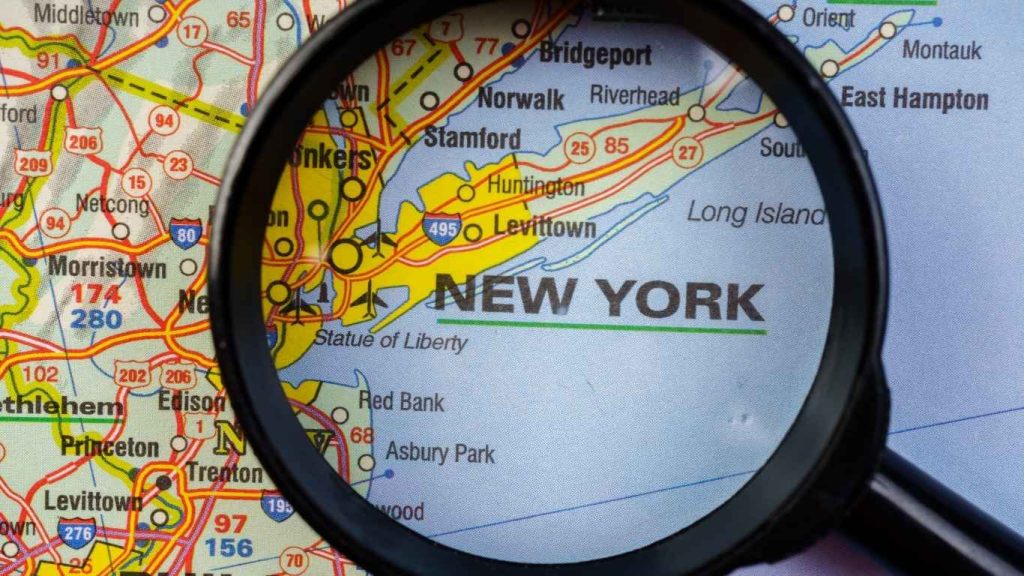
Laundry Near Me: Same-Day Pickup & Delivery in New York City
If you’re searching for “laundry near me” in New York City, chances are you need a fast, reliable, and hassle-free solution. Between long work hours, traffic, and busy schedules, finding time to visit a laundromat or dry cleaner isn’t always easy.
That’s where Clean Avenue NYC comes in. We offer same-day laundry pickup and delivery across New York City, so you can enjoy clean, fresh clothes without leaving your home, office, or hotel.
Looking for Laundry Near You in NYC?
Clean Avenue is a professional laundry pickup and delivery service in NYC, designed for people who value convenience and quality. Instead of searching for a nearby laundromat or carrying heavy bags of clothes, we come directly to you.
Whether you live in an apartment, work in an office, or stay in a hotel, our team makes laundry simple, fast, and stress-free.
Same-Day Laundry Pickup & Delivery
When time matters, our same-day laundry service is the perfect solution. Once you place an order, our driver picks up your laundry, our professional team cleans it, and we deliver it back to you as scheduled.
Why customers love our same-day service:
- No trips to the laundromat
- No waiting in line
- Reliable pickup and delivery windows
- Professional cleaning you can trust
Our Laundry Services in New York City
Clean Avenue offers complete laundry solutions for both individuals and businesses.
Wash & Fold Service
Our wash and fold service is perfect for everyday clothing. Clothes are professionally washed, dried, neatly folded, and returned fresh and ready to wear.
👉 https://cleanavenuenyc.com/blog/wash-and-fold-guide-nyc/
Dry Cleaning Service
For delicate fabrics and special garments, we provide professional dry cleaning handled with expert care.
👉 https://cleanavenuenyc.com/blog/what-is-the-procedure-of-dry-cleaning/
Laundry Near Me in NYC Neighborhoods We Serve
Clean Avenue proudly serves multiple neighborhoods across New York City. If you’re searching for laundry near you, chances are we’re already in your area.
Manhattan
- Midtown Manhattan
- Upper East Side
- Upper West Side
- Harlem
- Financial District
Brooklyn
- Williamsburg
- Downtown Brooklyn
- Bushwick
- Park Slope
Queens
- Long Island City
- Astoria
If you don’t see your neighborhood listed, feel free to reach out—our service areas continue to expand.
Perfect for Apartments, Offices & Hotels
Our laundry pickup and delivery service in NYC is ideal for:
- Busy professionals
- Families
- Students
- Travelers and hotel guests
- Short-term rental hosts
No matter where you are, Clean Avenue makes sure your laundry is handled with care and delivered on time.
Why Choose Clean Avenue NYC?
When you search for “laundry near me,” you want more than just location—you want reliability and quality. Clean Avenue stands out because:
- Convenient online booking
- Same-day and scheduled services
- Professional laundry care
- Trusted NYC laundry experts
- Pickup & delivery across New York City
Book Your Laundry Pickup Today
Stop searching for laundry near me and let Clean Avenue handle everything for you. Book your laundry pickup online and enjoy clean, fresh clothes without the hassle.
📍 Serving New York City
🚚 Same-day pickup & delivery available
Frequently Asked Questions (FAQs)
How can I quickly find a laundry service near me in NYC?
If you’re looking for a laundry service nearby, it’s best to choose one that offers pickup and delivery, clear pricing, and same-day service options. Clean Avenue makes it easy to book online and delivers clean laundry straight to your door in multiple NYC neighborhoods.
Can I get same-day laundry pickup and delivery in NYC?
Yes! Clean Avenue provides same-day pickup and delivery in select areas. This is ideal for busy professionals, families, or travelers who need clean clothes fast without going to a laundromat.
What types of laundry services do you offer?
We handle both wash & fold for everyday clothes and dry cleaning for delicate or special garments. Each item is cleaned with care so your clothes come back fresh, neatly folded, and ready to wear.
How much does laundry pickup and delivery cost in New York City?
Pricing depends on the type of service and the size of your order. First-time customers may also qualify for discounts on their initial orders. You can check exact pricing when you book online.
Which NYC neighborhoods do you deliver to?
Clean Avenue serves Manhattan, Brooklyn, Queens, and nearby areas. Popular neighborhoods include Midtown Manhattan, Upper East Side, Williamsburg, Bushwick, Long Island City, and more. Check our website to confirm availability in your area.
How do I schedule a laundry pickup?
It’s simple! Just book online through our website or app, choose your preferred pickup time, and our driver will collect your laundry. Once cleaned, we deliver it back to your door at the scheduled time.
🧺 Laundry made easy.
Skip the stress of laundry day — Clean Avenue Laundry picks up, cleans, folds, and delivers your clothes right to your door anywhere in NYC.
Cold vs Hot Water Laundry: Which Is Better for Your Clothes?
Cold vs hot water laundry—this is one of the most common questions when it comes to home laundry. Many people aren’t sure when to use cold water and when hot water is more effective. The truth is, both temperatures have their own benefits, and choosing the right one can help protect your clothes, save energy, and keep your laundry fresh and clean.
In this guide, we’ll break down the difference between cold vs hot water laundry and help you decide which temperature is best for different fabrics and stains.
Cold Water vs Hot Water: What’s the Difference?
Understanding how water temperature affects your laundry helps you avoid shrinking, fading, and unnecessary damage.
✔ Cold Water (60°F–80°F / 15°C–27°C)
Cold water is gentle on fabrics and helps preserve color and material quality.
Best for:
- Delicates (silk, lace, lingerie) – See our guide on handling delicate fabrics.
- Dark-colored clothes that fade easily – Learn how to keep denim fresh.
- Everyday laundry that’s lightly to moderately soiled
- Activewear and stretchy fabrics
- Clothes with printed designs
Benefits of using cold water:
- Prevents shrinking and damage
- Keeps colors vibrant
- Saves energy (up to 75% less electricity)
- Reduces risk of stains “setting”
- Better for the environment
✔ Hot Water (130°F / 54°C and up)
Hot water is more powerful for removing heavy dirt and killing bacteria.
Best for:
- Towels and bedsheets – Check our tips for washing towels, bedsheets, and blankets.
- Whites (to maintain brightness)
- Baby clothes
- Gym towels
- Heavily stained or oily fabrics
Benefits of using hot water:
- Kills germs and allergens
- Removes stubborn dirt, grease, and oils
- Restores brightness in white garments
Downside:
Hot water can cause shrinking, fading, and faster fabric wear if used too often.
Cold vs Hot Water: When Should You Use Each?
Here’s a quick guide to help you decide:
| Laundry Type | Best Temperature | Why |
|---|---|---|
| Dark colors | Cold | Prevents fading |
| Delicates | Cold | Gentle on fabric |
| Whites | Hot or Warm | Helps keep them bright |
| Towels & bedding | Hot | Removes bacteria & odors |
| Stained clothes | Cold first, then warm | Cold prevents stain-setting |
| Activewear | Cold | Protects stretch fabric |
Is Cold Water Enough to Clean Your Clothes?
Yes — for most laundry loads.
Modern detergents are designed to work effectively even in cold water. Unless the item is extremely dirty or needs disinfection, cold water usually gets the job done while protecting your clothes.
Common Mistakes When Choosing Water Temperature
Avoid these laundry mistakes to protect your clothes:
- Using hot water for all loads Leads to shrinking and fading.
- Washing stained clothes with hot water immediately Hot water can permanently set stains.
- Using cold water for items that need sanitizing Bedding, towels, and heavily used fabrics need heat.
Final Verdict: Cold vs Hot Water — Which Is Better?
Cold water is the best choice for most everyday laundry because it preserves fabric quality, prevents fading, and saves energy.
Hot water is best used occasionally for items that need deeper cleaning, like towels, sheets, and whites.
A good rule of thumb:
👉 Cold for clothes — hot for household items.
FAQs About Cold vs Hot Water Laundry
Is cold water better for dark clothes?
Yes. Cold water helps prevent fading and keeps dark colors intact.
Can I wash everything in cold water?
You can, but items like towels and bed sheets still need hot water for sanitation.
Does hot water remove stains better?
Not always. Some stains set faster in hot water. Start with cold, then move to warm.
Will cold water help clothes last longer?
Definitely — it reduces damage, shrinkage, and fading.
Pro Tip: For a professional touch, Clean Avenue Laundry handles your laundry carefully, choosing the right water temperature for each load to maintain fabric quality and color.
🧺 Laundry made easy.
Skip the stress of laundry day — Clean Avenue Laundry picks up, cleans, folds, and delivers your clothes right to your door anywhere in NYC.
From Ancient Remedies to Modern Laundry: The History of Fabric Softener and Bleach
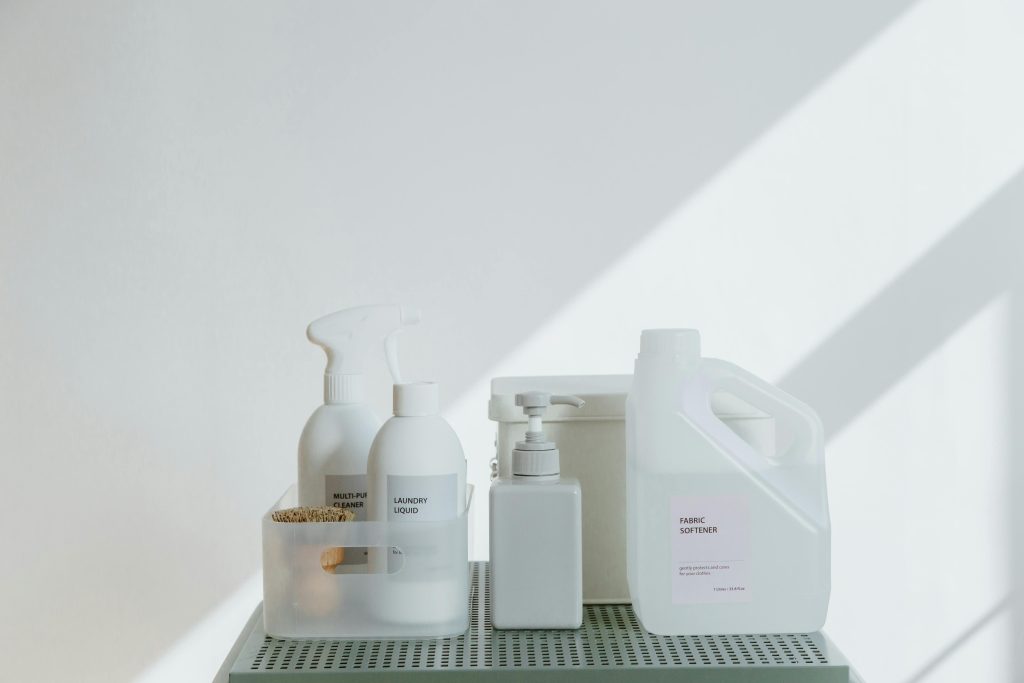
When we think about laundry today, fabric softener and bleach feel like everyday household staples. You toss them into the wash, press a few buttons, and let technology do the rest. But the history behind these two products is far more fascinating than most people realize. From humble beginnings using natural ingredients to the highly advanced formulas we have today, the evolution of bleach and fabric softener tells an incredible story of chemistry, convenience, and changing lifestyles.
Let’s dive into their surprising origins.
The Early Days: When Soft Fabrics Weren’t a Thing
Before the invention of modern fabric softeners, laundry was harsh—literally. Clothing was scrubbed against rocks, boiled in large pots, hung in the sun, and beaten with paddles. Fabrics became stiff, scratchy, and rough on the skin. Back then, keeping clothes soft wasn’t a priority. Cleanliness and durability mattered more, especially since most people owned only a few garments.
But as cotton became more affordable in the 1800s, comfort suddenly became important. Softer fabrics became a sign of quality, and people wanted clothes that felt good to wear.
The Birth of Fabric Softener: Invented Because of Soldiers
The first known fabric softeners appeared in the early 1900s—not because of household laundry, but because of the military.
Textile manufacturers had a problem: cotton uniforms were coming out of dyeing and treatment processes feeling stiff as cardboard. Soldiers were complaining, and factories needed a solution.
Early fabric softeners were made from a mixture of water, soap, and natural oils like corn or olive oil. These formulas were massaged into the fabric to restore softness.
However, these softeners weren’t sold for home use yet. They were greasy, heavy, and smelled… interesting.
Mid-1900s: The Rise of Commercial Fabric Softener
Around the 1950s, as washing machines became common in American households, companies saw an opportunity. Consumers wanted clothes that smelled fresh and felt soft after machine washing.
This led to the creation of the first commercial fabric softeners made from quaternary ammonium compounds, which were more effective, lighter, and easier to rinse out.
Soon after came:
- Liquid softeners
- Dryer sheets (1970s—game-changer!)
- Scented formulas
- Hypoallergenic softeners
- Concentrated softeners
Today, fabric softeners include fragrances, anti-static agents, and even fiber conditioners that help clothes last longer.
Bleach: One of the Oldest Cleaning Agents Ever
If fabric softener is relatively “new,” bleach is ancient.
Ancient Bleaching Practices
As early as 3,000 years ago, civilizations like the Egyptians and Romans used:
- Sunlight
- Lemon juice
- White vinegar
- Herbs
- Fermented urine (yes—it contained ammonia!)
Clothes were soaked in natural solutions and laid out under the sun, where UV rays helped whiten them.
The Discovery That Changed Everything: Chlorine Bleach
In 1785, French scientist Claude Louis Berthollet discovered that chlorine gas could whiten fabrics. This was revolutionary—suddenly, whitening clothes didn’t rely on sun exposure or days of soaking.
By the 1800s, chlorine bleaching became standard in textile factories and eventually made its way into households.
The First Bottled Bleach
In 1913, a company called Clorox introduced the first household liquid bleach. It became popular for:
- Whitening clothes
- Sanitizing laundry
- Cleaning kitchens and bathrooms
By the mid-1900s, bleach was a symbol of “deep cleaning.”
For a more detailed look at the chemical nature and history of bleach, you can refer to Britannica’s article on bleach, which explains how chlorine-based solutions revolutionized laundry and cleaning practices.
Modern Bleach: Stronger, Safer & Smarter
Today’s bleaches have evolved into two main types:
1. Chlorine Bleach (Sodium Hypochlorite)
- Powerful whitening
- Best for whites
- Great disinfectant
2. Oxygen Bleach (Color-Safe Bleach)
- Gentle on colors
- Ideal for delicates
- Uses hydrogen peroxide instead of chlorine
Oxygen bleach became popular for people who want bright clothes without the risk of fading.
Fabric Softener vs. Bleach: A Match Made in Laundry History
While bleach focuses on cleaning and whitening, fabric softener focuses on comfort and scent. They serve two very different purposes—but both shaped the modern laundry experience we know today.
Many households can’t imagine doing laundry without:
- Bleach for removing tough stains
- Softener for making clothes smell fresh and feel cozy
Together, they transformed laundry from a labor-intensive task into something easier, faster, and more enjoyable.
Final Thoughts
From ancient cleaning rituals to scientific breakthroughs, the history of fabric softener and bleach shows how far we’ve come. These products evolved because people wanted something better—whiter clothes, softer fabrics, and fresher scents.
And today, thanks to modern technology and improved formulas, we get all of that with just a single wash cycle.
🧺 Laundry made easy.
Skip the stress of laundry day — Clean Avenue Laundry picks up, cleans, folds, and delivers your clothes right to your door anywhere in NYC.
