The History of Dry Cleaning: From Ancient Oils to Eco-Friendly Solvents
The History of Dry Cleaning
Dry cleaning may seem like a modern convenience, but this specialized cleaning process actually has a fascinating history that stretches back thousands of years. Long before fancy machines and eco-friendly solvents, people were already experimenting with ways to clean delicate fabrics that couldn’t handle soap and water.
For context on the evolution of laundry in general, see How Laundry Started: From Rivers to Washing Machines.
Ancient Beginnings: Oils, Clay, and the First “Dry Cleaners”
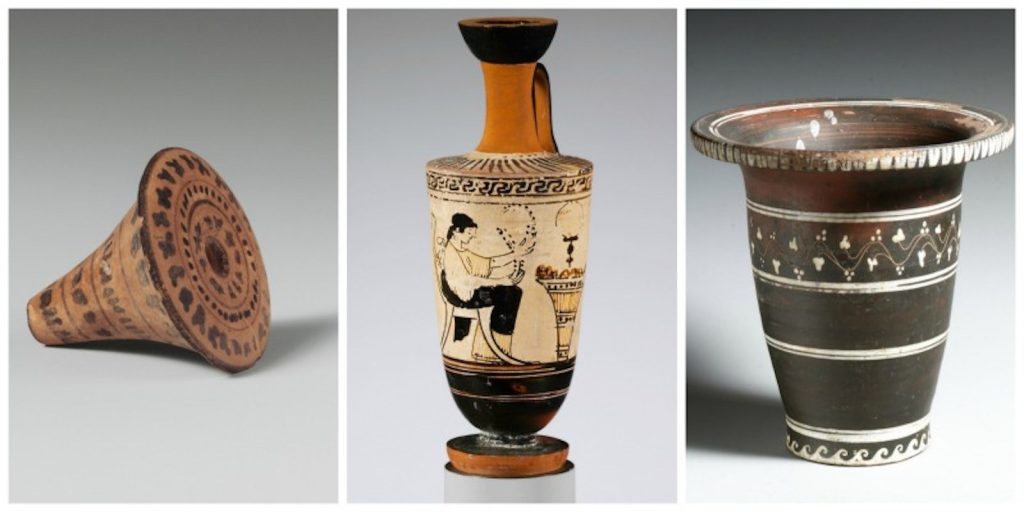
The idea of cleaning without water isn’t new. Historians believe that as early as 79 AD, ancient civilizations were already practicing a form of dry cleaning. The Romans used natural oils combined with fuller’s earth, a type of clay that absorbed oils and dirt from clothing. Wealthy Romans would bring their garments to fullonicae — the ancient version of laundromats — where workers applied these oils and clay mixtures to clean fabrics gently.
The oils helped loosen grime and stains, while the clay absorbed dirt, leaving the garments cleaner without immersing them in water. This early technique was especially useful for delicate fabrics that could easily shrink, fade, or get damaged in water-based cleaning.
Though it may sound primitive today, this method was a major innovation at the time and laid the groundwork for the development of modern dry cleaning. For earlier laundry techniques, see Ancient Laundry: Soapwort, Ashes & Early Detergents.
19th Century Discovery: The Birth of Modern Dry Cleaning
Fast forward to the mid-1800s — the Industrial Revolution was in full swing, and new discoveries were changing how people lived and worked.
The concept of modern dry cleaning began by accident. A Frenchman named Jean Baptiste Jolly, who owned a textile dyeing shop, noticed that a tablecloth stained by kerosene looked cleaner after being accidentally spilled on. Intrigued, he began experimenting with different solvents and realized that certain chemicals could dissolve oils and stains without damaging fabric.
By 1855, Jolly opened the first commercial dry cleaning business in Paris, calling it “Teinturerie Jolly-Belin.” This marked the official birth of dry cleaning as we know it today.
For innovations in laundry technology of this era, see Industrial Revolution: Birth of Public Laundries.
Early Solvents and Safety Concerns
In the early days, dry cleaners used highly flammable solvents like gasoline, benzene, and turpentine. While effective, they were extremely dangerous and caused many fires and health issues.
By the early 1900s, a safer alternative emerged: perchloroethylene (or “perc”), which became the industry standard for most of the 20th century. Perc was non-flammable and cleaned fabrics effectively — but over time, environmental and health concerns began to grow.
The Eco-Friendly Turn: Modern Solvents and Sustainability
By the late 20th century, the dry cleaning industry began shifting toward safer, more sustainable cleaning methods. Water-based “wet cleaning,” liquid carbon dioxide, and silicone-based solvents were introduced as greener alternatives to perc.
Today, many modern dry cleaners — including Clean Avenue’s trusted partners — use eco-friendly dry cleaning systems designed to protect both garments and the environment. These systems not only reduce waste and harmful emissions but also extend the lifespan of your clothes by being gentler on fabrics.
According to recent research on the process of dry cleaning (see Wikipedia for an overview), modern professional systems prioritise fabric safety and environmental responsibility.
Dry Cleaning Today: Technology Meets Tradition
In today’s world, dry cleaning has evolved far beyond the traditional shop counter. Smart technology, automated machines, and pickup-and-delivery apps have made professional garment care more accessible than ever.
At Clean Avenue, we combine this long history of innovation with modern convenience. From delicate silks to leather jackets, our specialized dry cleaning services ensure that each item is handled with expert care — while prioritizing sustainability and fabric safety.
For modern laundry services and innovations, see The History of Clothes Dryers: From Sun-Drying to Smart Technology.
A Cleaner Future Ahead
From ancient Roman fullers using oils and clay to 21st-century eco-solvents, the history of dry cleaning is truly a story of progress and reinvention. What began as a practical solution for delicate fabrics has evolved into a science — balancing cleanliness, care, and environmental responsibility.
As technology continues to advance, dry cleaning will only get smarter, safer, and more sustainable. At Clean Avenue, we’re proud to be part of that continuing evolution — helping your garments look their best, the modern way.
FAQs
Q: What is dry cleaning?
A: Dry cleaning is a solvent-based cleaning method used to remove stains and oils from delicate fabrics without water.
Q: Is dry cleaning safe for all fabrics?
A: Many fabrics benefit from professional dry cleaning, but certain garments and leather/suede items require specialized processes; modern eco-solvents are gentler and safer.
Q: How has the history of dry cleaning changed modern cleaning practices?
A: The history of dry cleaning shows how solvents and techniques evolved, leading to safer, eco-friendly systems used by professional cleaners today.
Final Thoughts
Next time you drop off your clothes for dry cleaning, remember — you’re taking part in a tradition that’s been around for nearly 2,000 years. From ancient oils and clay to cutting-edge cleaning solutions, dry cleaning has continually evolved to protect both your garments and the environment.
If you’re in New York and want professional dry cleaning that saves you time and ensures the best care for your clothes, Clean Avenue Laundry is here for you.
Book your next pickup today at CleanAvenueNYC.com.
🧺 Laundry made easy.
Skip the stress of laundry day — Clean Avenue Laundry picks up, cleans, folds, and delivers your clothes right to your door anywhere in NYC.
The History of Clothes Dryers: From Sun-Drying to Smart Technology
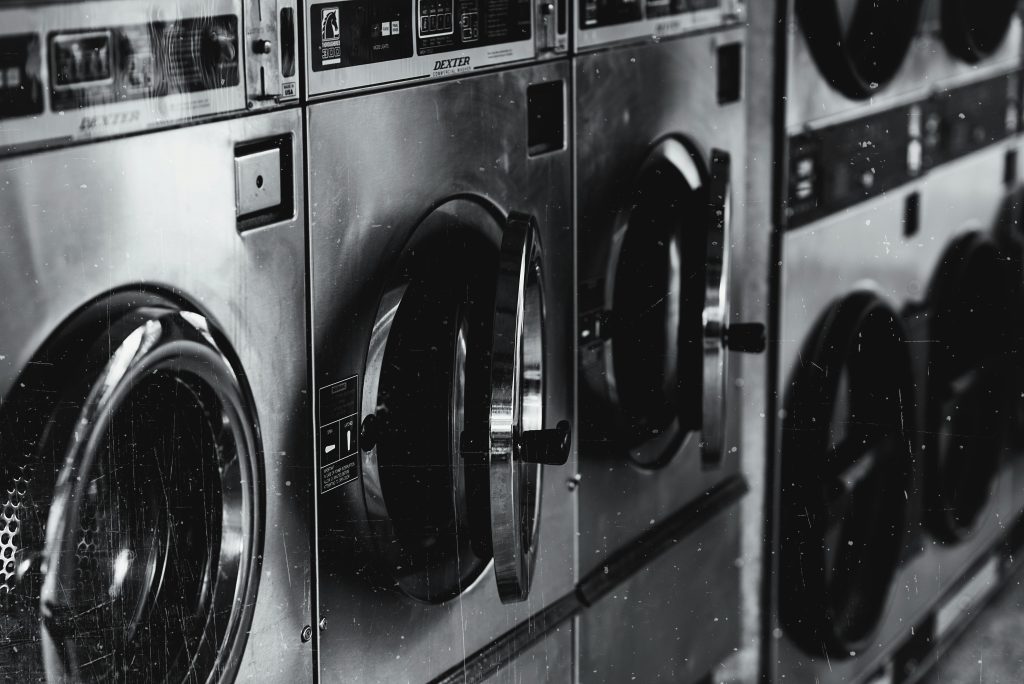
Before the convenience of modern dryers, doing laundry meant hours of washing by hand and hanging clothes out in the sun. Fast forward to today, and we can dry a full load of laundry in under an hour—all thanks to the incredible evolution of the clothes dryer.
At Clean Avenue Laundry, we love looking back at how far laundry care has come. Here’s a quick journey through the fascinating history of clothes dryers—from simple beginnings to the smart machines we use today. For a broader perspective on laundry evolution, see How Laundry Started: From Rivers to Washing Machines.
The History of Clothes Dryers: How It All Began
Before modern dryers, people relied on sunlight and open air to dry their clothes. The history of clothes dryers dates back to the early 1800s, when inventors began creating hand-cranked machines designed to make drying faster and more efficient. Over the decades, technology advanced from wooden barrels to electric and gas-powered models, shaping how we handle laundry today.
For more on early laundry techniques, check out Ancient Laundry: Soapwort, Ashes & Early Detergents.
According to Smithsonian Institution archives, early laundry innovations in the mid-19th century reflected the growing desire for convenience and efficiency at home.
The Early Days: When the Sun Did All the Work
For centuries, people relied solely on nature to dry their clothes. After washing by hand in rivers or basins, garments were hung on trees, bushes, or simple clotheslines. This method was free, sustainable, and effective—but entirely dependent on the weather.
Rainy days or humid seasons meant longer drying times and a higher risk of mildew and unpleasant odors. That challenge inspired the first mechanical ideas for indoor drying.
The 18th Century: The Birth of the “Clothes Dryer”
The first known clothes dryer dates back to the 18th century, when a French inventor named Pochon introduced the concept of the “ventilator.” It was a hand-cranked metal drum that used heat from an open fire to dry clothes inside.
It was far from perfect—clothes sometimes came out scorched or filled with smoke—but it sparked the idea that laundry drying could be faster and more efficient.
The 19th Century: Early Innovations in Drying
By the 1800s, inventors began experimenting with safer, more practical indoor dryers. The hand-cranked “ventilating clothes dryer” appeared in 1892, credited to George T. Sampson, an African American inventor from Ohio.
Sampson’s design used heat from a stove to dry clothes in a ventilated drum, and it’s considered the foundation for today’s tumble dryers. His invention made drying possible even in cold or rainy weather—a big step forward for urban households.
For context on public laundry services of this era, see Industrial Revolution: Birth of Public Laundries.
The 20th Century: Electric Dryers Revolutionize Laundry
The electric clothes dryer was first introduced in the 1930s, changing the way families did laundry forever.
- 1938: The Hamilton Manufacturing Company released the first electric dryer model.
- 1940s–1950s: As electricity became widespread, dryers became household staples.
Companies like General Electric and Maytag developed new designs, adding temperature controls, timers, and automatic shut-off features to prevent over-drying. By the 1960s, clothes dryers were a must-have appliance in modern homes, offering convenience and saving precious time.
Whirlpool Corporation notes that the first automatic dryer rolled off its production line in 1955 — marking a major milestone in laundry technology.
The Modern Era: Gas, Steam, and Smart Dryers
In the late 20th century, dryers evolved rapidly. Gas dryers offered faster drying times, while new electric models became more energy-efficient.
The 21st century brought even more innovation:
- Steam dryers that help reduce wrinkles.
- Moisture sensors that automatically stop when clothes are dry.
- Smart dryers that connect to Wi-Fi, allowing users to control cycles from their phones.
Today, dryers are designed to be gentle on fabrics, energy-efficient, and eco-friendly, proving that laundry care has truly entered the age of technology.
For a look at professional services that use these modern machines, see Clean Avenue Laundry.
From Innovation to Convenience: Laundry Care Made Simple
The evolution of clothes dryers mirrors one big goal—to make life easier. What used to take hours or even days can now be done effortlessly with the push of a button.
At Clean Avenue Laundry, we embrace that same innovation. Our pickup and delivery laundry service in New York uses modern, energy-efficient machines to clean and dry your clothes with care—saving you time while ensuring your garments come back fresh and perfectly folded.
Final Thoughts
From sun-drying on clotheslines to AI-powered smart dryers, laundry care has come a long way. And while technology keeps improving, one thing remains the same: the desire for clean, fresh clothes with less hassle.
If you’re in New York and need professional laundry service that saves you time and guarantees care for your garments, Clean Avenue Laundry is here for you.
Book your next pickup today at CleanAvenueNYC.com.
🧺 Laundry made easy.
Skip the stress of laundry day — Clean Avenue Laundry picks up, cleans, folds, and delivers your clothes right to your door anywhere in NYC.
Industrial Revolution: Birth of Public Laundries
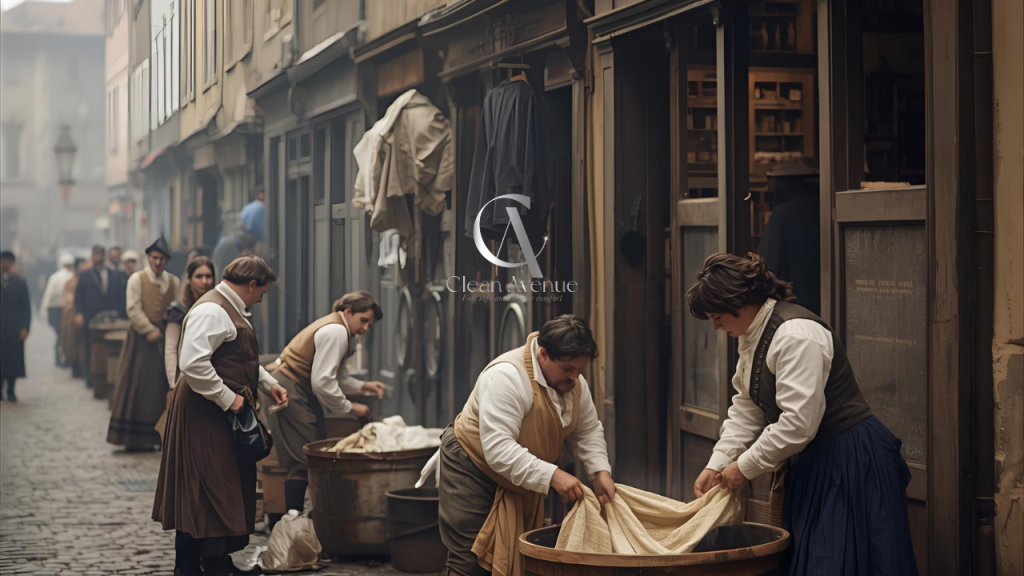
The Industrial Revolution was a period of profound transformation in the 18th and 19th centuries. While it is often celebrated for mechanizing industry and reshaping urban life, it also revolutionized domestic tasks—most notably, laundry. As cities grew and the pace of life quickened, traditional methods of washing clothes by hand became increasingly impractical. This era gave birth to public laundries, a solution that laid the foundation for modern laundry services. For a broader overview, check out How Laundry Started: From Rivers to Washing Machines.
Urban Growth and Laundry Challenges
The rapid urbanization during the Industrial Revolution brought together large populations in concentrated city spaces. Families were larger, workers had uniforms and workwear, and homes often lacked domestic help or sufficient space to handle large laundry loads. Washing clothes became a daily struggle, requiring hours of labor-intensive scrubbing, soaking, boiling, and drying.
Public laundries emerged as a practical solution. These establishments offered residents a place to wash, rinse, and press clothes using communal facilities. For many, this service provided not only convenience but also a sense of reliability. Households could trust that their garments would be properly cleaned and returned on time.
For insights into ancient cleaning methods, see Ancient Laundry: Soapwort, Ashes & Early Detergents.
Technological Innovations
The Industrial Revolution introduced a wave of innovations that transformed laundry practices. Steam engines, large boilers, and mechanized wringers allowed public laundries to process significantly larger volumes of laundry than ever before. Previously, laundry required physical labor that often spanned the entire day; now, machines could complete the work in a fraction of the time.
Ironing also saw a technological leap. Steam-powered irons and presses ensured clothes were neatly finished, making public laundries a one-stop solution for households who sought both cleanliness and presentation. These early advances established a standard for efficiency, cleanliness, and reliability—principles still central to modern commercial laundry services.
For more on how drying technology evolved, check out The History of Clothes Dryers: From Sun-Drying to Smart Technology.
📚 Learn More About the Evolution of Public Laundries
Discover how public washhouses, known as lavoirs, played a crucial role in 18th-century France, not just for laundry but also as community hubs. This article delves into their significance and transformation over time.
🔗 Lavoirs: The History of French Wash-houses
Social and Economic Impact
Public laundries had a notable impact on society. They created employment opportunities, particularly for women, who worked as washers, ironers, and attendants. They also became community hubs where people could socialize, exchange news, and build connections while waiting for their laundry.
Economically, public laundries introduced the idea of paying for convenience. People could outsource laborious chores, freeing time for work or leisure. This shift was significant: it normalized the notion of hiring services for everyday tasks, a concept that continues to influence service industries today.
Legacy and Modern Relevance
The legacy of public laundries extends into modern services like Clean Avenue. Today’s laundry solutions, from pickup-and-delivery services to self-service laundromats, are built on the same principles of efficiency, reliability, and convenience. Busy households and businesses no longer need to spend hours handling laundry. Instead, services like Clean Avenue ensure clothes are professionally cleaned and returned promptly, preserving both time and quality of life.
Furthermore, the tradition of innovation continues. Modern laundry companies now use advanced machines, eco-friendly detergents, and streamlined logistics to enhance customer experience, reflecting the spirit of efficiency first introduced during the Industrial Revolution.
For a full look at laundry history, see How Laundry Started: From Rivers to Washing Machines.
Takeaway
Next time you schedule a laundry pickup, remember that this convenience has deep roots in history. Public laundries solved the challenges of urban living during the Industrial Revolution, and today, modern services like Clean Avenue continue that legacy—providing fast, reliable, and accessible laundry solutions for everyone.
Don’t spend hours on laundry—let Clean Avenue handle it! Book your pickup today and enjoy professional, stress-free laundry service delivered to your door.
Join the modern laundry revolution!
From public laundries to modern convenience—experience hassle-free laundry today with Clean Avenue! Book your pickup now.”
Ancient Laundry: Soapwort, Ashes & Early Detergents
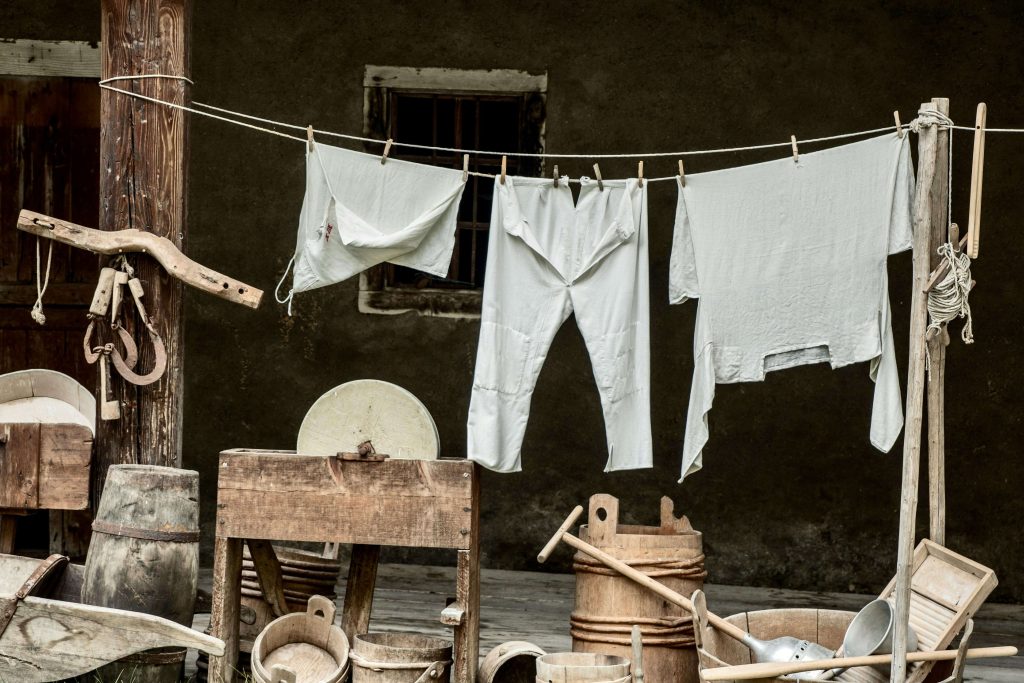
Laundry might feel like a modern chore, with fancy detergents, washing machines, and professional services, but did you know that people have been cleaning their clothes for thousands of years? Long before Tide pods or professional laundry services existed, ancient civilizations relied on natural ingredients and clever techniques to keep their garments fresh and wearable. For a broader overview of laundry history, see our How Laundry Started: From Rivers to Washing Machines post.
Soapwort: The Gentle Cleaner
One of the most interesting ancient laundry ingredients is soapwort. A flowering plant native to Europe and Asia, soapwort contains natural saponins — compounds that produce a gentle, foamy lather when mixed with water. Because of this, it became the go-to cleanser for delicate fabrics like silk and wool.
Laundry with soapwort wasn’t just about cleanliness. The foaming action helped lift dirt while remaining gentle on fragile fibers, which meant that valuable or heirloom garments could be washed without fear of damage. In many households, boiling soapwort in water and soaking fabrics in it was a routine part of laundry day.
For more on early cleaning agents and methods, check out The History of Dry Cleaning: From Ancient Oils to Eco-Friendly Solvents.
Ashes and Lye: For Tough Stains
Not every fabric could be washed with delicate soapwort. For heavier fabrics like wool, linen, and cotton, ancient laundresses turned to ashes. When mixed with water, ashes create lye, a strong alkaline solution capable of breaking down grease and stubborn stains.
Lye might sound intimidating today, but in the past, it was considered a powerful and effective cleaning agent. People often collected wood ashes from hearths or fireplaces, soaking garments in lye water for hours before rinsing them clean. This method was especially common in Northern Europe, where colder climates made traditional laundering more challenging.
If you’re interested in how these methods evolved into public laundering systems, see Industrial Revolution: Birth of Public Laundries.
Other Early Detergents
Beyond soapwort and ashes, ancient cultures experimented with a variety of cleaning solutions. The Romans, for instance, used urine as a source of ammonia to clean and whiten togas. In medieval Europe, vinegar and fuller’s earth (a type of clay) were commonly used to remove stains and odors.
In Asia, fermented solutions made from plant extracts and rice water were often employed to clean clothes. While some of these methods may sound unusual or even unpleasant today, they were the best tools available for keeping clothes hygienic and wearable.
For more on the evolution of laundry tools and techniques, check out The History of Clothes Dryers: From Sun-Drying to Smart Technology.
Lessons from Ancient Laundry
While we no longer need to collect ashes or soak garments in soapwort, there are lessons to be learned from ancient laundry practices:
- Choose the right cleaning method for the fabric – Delicate items need gentle care, while heavier fabrics require stronger cleaning agents.
- Be patient – Ancient laundresses understood that effective cleaning took time. Modern machines save us time, but the principle of thorough washing still applies.
- Rinse thoroughly – Ancient methods emphasized rinsing after every wash to remove residual cleaning agents, ensuring garments were soft and safe to wear.
Bringing Ancient Wisdom to Modern Laundry
At Clean Avenue, we combine the wisdom of the past with the convenience and safety of modern technology. From delicate silk blouses to everyday cotton shirts, our professional laundry services ensure that every garment receives the care it deserves.
We use high-quality detergents and fabric-friendly processes that mimic the principles of ancient laundry: gentle on fabrics but effective at removing stains. And with our pickup and delivery service, you don’t need to spend hours scrubbing — we handle the heavy lifting for you.
For a complete look at how laundry evolved from riversides to modern services, see How Laundry Started: From Rivers to Washing Machines.
Experience the Difference
Your clothes deserve more than a quick wash. They deserve care, attention, and the kind of cleaning that ancient laundresses would recognize as proper and thorough. Let us take the hassle out of laundry while keeping your garments in pristine condition.
Ready to experience professional laundry services in NYC? Schedule your pickup and delivery today and enjoy fresh, perfectly cleaned clothes without leaving your home.
Ready to experience professional laundry services in NYC? 🖤
Let us take the hassle out of laundry while keeping your garments in pristine condition.
How Laundry Started: From Rivers to Washing Machines
Have you ever wondered how laundry started and how people cleaned their clothes before washing machines existed? Laundry is one of those everyday tasks that we don’t think much about—until it piles up. But laundry has a long history that stretches back thousands of years, from people scrubbing clothes in rivers to today’s convenient pickup and delivery services in cities like New York.
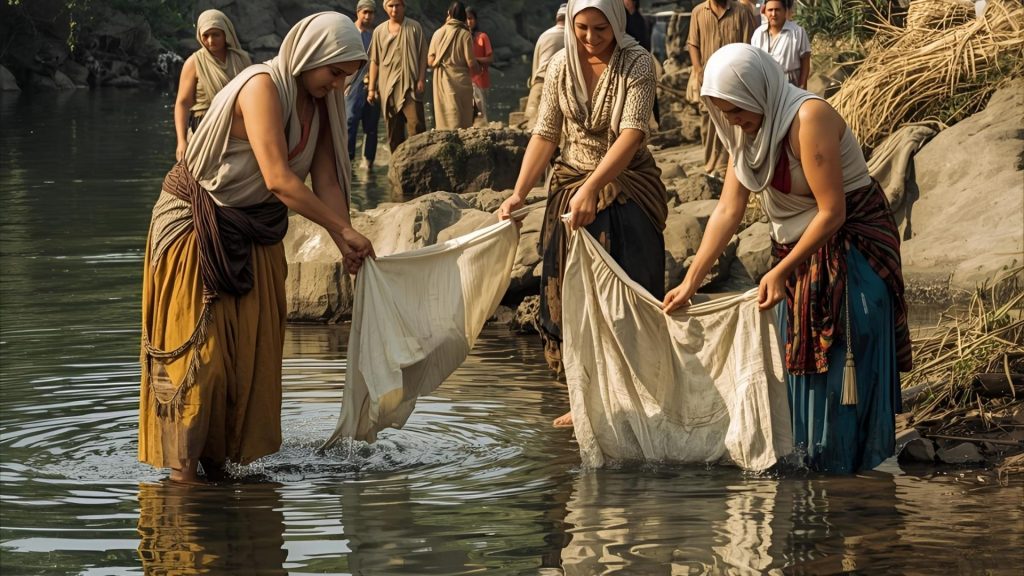
Let’s take a quick journey through the history of laundry and see how it transformed into the modern services we rely on today.
The Earliest Days of Laundry
Long before soaps and detergents, people washed clothes by hand in rivers, lakes, and streams. They would rub garments against rocks, use sand or ashes to scrub away dirt, and beat fabrics against stones to loosen stains.
Natural cleaning agents—like plant extracts and animal fats—were also used to freshen up clothing. For more on ancient cleaning methods, check out our blog on Ancient Laundry: Soapwort, Ashes & Early Detergents. While this process was effective, it was time-consuming and physically demanding. Still, it was the only way to keep clothes wearable in ancient times.
The Invention of Washing Tools
By the 1700s, tools like washboards made laundry a little easier. Wooden boards with ridges allowed people to scrub clothes more efficiently than against rocks.
In the 19th century, soap manufacturing advanced, and products specifically designed for cleaning clothes became widely available. Buckets, basins, and hand-cranked wringers were also introduced, helping people squeeze water out of fabrics and speed up drying. Laundry was still a tough household chore—but progress was happening.
Tools like washboards and wooden tubs helped make laundry easier during the 1700s and 1800s. According to Smithsonian’s “Through the Wringer: Laundry in the Late 19th Century”, inventions like wringers and mangling machines became more common as the demand for efficiency in laundering grew during the Industrial Revolution.
If you want to explore how laundry efficiency exploded during the Industrial Revolution, see our post on Industrial Revolution: Birth of Public Laundries.
The Rise of Washing Machines
The real game-changer arrived in the mid-1800s. The first patented washing machine appeared in the 1850s, and by the early 1900s, more advanced mechanical versions were available.
Once electricity became common in homes, electric washing machines and dryers quickly replaced hand-washing. Laundry went from an all-day chore to something manageable in just a few hours. For a closer look at the evolution of drying clothes, read The History of Clothes Dryers: From Sun-Drying to Smart Technology.
By the early 1900s, hand-cranked and steam-powered washing machines became more widely used. According to The Cleaning Collective’s “A Brief History of Laundry” (2024), the first washing machine patent was granted in 1691, and laundry methods evolved significantly during the Industrial Revolution.
The Birth of Laundromats and Dry Cleaning
Not everyone could afford washing machines right away, which led to the rise of laundromats in the 1930s. These coin-operated facilities gave people access to machines without having to buy their own. They quickly became a neighborhood staple.
Around the same time, dry cleaning gained popularity. This method used solvents instead of water, making it possible to clean delicate fabrics like silk, wool, and suits without damaging them. Learn more in our blog The History of Dry Cleaning: From Ancient Oils to Eco-Friendly Solvents.
The Evolution into Modern Services
Today, laundry has reached a new level of convenience. Pickup and delivery services mean you don’t even have to leave your home to have your clothes professionally cleaned. What once took hours by the riverside now takes just minutes of your time to arrange.
Clean Avenue’s Role in the Future of Laundry
At Clean Avenue, we’re proud to be part of this long history of making laundry easier for people. Just like the inventions that transformed laundry in the past, our mission is to save you time, protect your fabrics, and give you peace of mind.
Whether you’re a busy professional in NYC, a family managing household chores, or a traveler in need of same-day laundry service, Clean Avenue is here to make your life easier. With convenient pickup and delivery, eco-conscious cleaning methods, and a commitment to quality, we bring laundry into the future—without the hassle.
Final Thoughts
From riversides to washboards, laundromats to app-based delivery, laundry has come a long way. What once took hours of back-breaking work is now as simple as booking a service online.
For a deeper dive into laundry history, check out our other posts on Ancient Laundry, Industrial Revolution laundries, and Dry Cleaning history.
Laundry Has Evolved—Experience the Modern Way 🖤
From rivers and washboards to today’s doorstep delivery, laundry has come a long way. Clean Avenue brings you premium laundry pickup and delivery, combining tradition with modern convenience.
